
Bustier Sundress or Jumpsuit? Choosing Summer Event Wear You Can Move and Dance In
For a summer gathering that includes dancing, a bustier sundress with a slit usually beats a jumpsuit on three counts: airflow, restroom logistics, and freedom at the hip. A jumpsuit wins on windy venues, cooler evenings, and any event where you want a modern, tailored line instead of a skirt. The decision comes down to the venue, the temperature, and how much of the evening you plan to spend on your feet.
Which one can you actually dance in?
Both can be danced in; they fail in different ways. A jumpsuit restricts the hip and the rise, so wide steps, spins, and sitting cross-legged all pull against the crotch seam. If the rise is even slightly short, an hour of movement makes that obvious. A fitted sundress with a thigh-baring slit has the opposite profile: the bodice is the fixed part and the legs are entirely free, so stride length and turning are unrestricted.
The bodice is where a dress needs attention. A fitted bustier top with built-in waist shaping and a lace-up back stays where it is put, provided the lacing is set at the right tension before the event rather than pulled tight in a mirror at the start of the night. Set it so it is comfortable seated, and it will be comfortable standing and moving. The mechanics of how that structure holds a line are covered in how built-in waist shaping works.
For strapless or lightly supported necklines, the practical detail is the drawstring. A drawstring-tie sweetheart neck can be re-set tighter for the part of the evening that involves movement and loosened again for dinner, which a jumpsuit's fixed bodice cannot do.
How do the two compare across a real event?
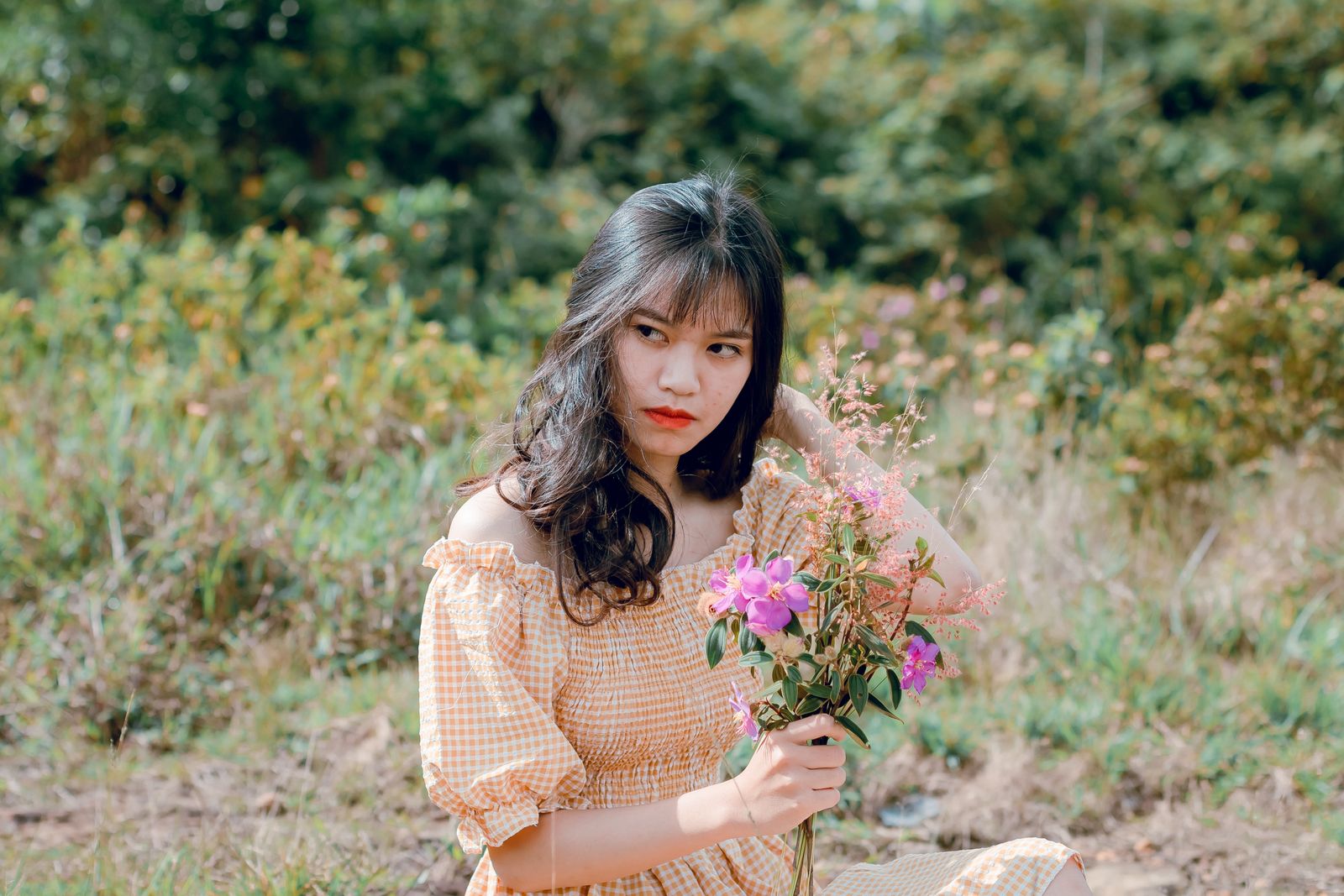
Photo by Chu Chup Hinh on Pexels
| Factor | Bustier sundress with slit | Jumpsuit | |---|---|---| | Airflow in heat | Good; open below the waist | Limited; fabric on both legs | | Dancing and wide movement | Free at the hip and stride | Restricted by the rise | | Restroom visits | Straightforward | Requires full undressing | | Sitting for a long meal | Comfortable if the waist is set correctly | Comfortable if the rise is correct | | Windy outdoor venue | Skirt needs managing | No wind issue | | Cool evening | Legs exposed; needs a wrap | Warmer by design | | Grass and gravel | Hem can catch; slit helps | Hem can drag if wide-leg | | Photographs | Defined waist, strong outline | Long vertical line | | Fit adjustability | Lace-up and drawstring adjust | Usually fixed | | Packing for travel | Folds smaller | Fewer creases, more bulk | | Wears afterward | High across the warm season | High, less seasonal |
Read the table by venue rather than by score. An outdoor garden reception in August favors the left column. A rooftop in September with wind and a temperature drop after sunset favors the right one.
What does heat do to each option?
Heat is decided by how much skin is covered and how freely air moves. A dress is open from the waist down, so warm air moves through it and body heat escapes at the hem. A jumpsuit covers both legs, and its waistband sits against the body all evening, which is the point where people notice discomfort first at high temperatures.
Two practical consequences. In humidity, a dress with a slit stays tolerable considerably longer than a full-length jumpsuit in the same fabric weight. And in air conditioning that swings twenty degrees colder than outside, the jumpsuit is the more comfortable garment, so the deciding factor is often whether the event moves indoors halfway through.
Which is easier to wear for a full evening?
A short procedure for testing either garment before the event, which takes ten minutes and prevents most surprises.
If a garment passes all seven, it will get through an event. The long-day wear test shows what changes over hours rather than minutes, which is the part a fitting room cannot tell you.
What about the details that decide the evening?

Photo by Ion Ceban @ionelceban on Pexels
- Restrooms. This is the most underrated factor. A jumpsuit means removing the whole garment, in a cubicle, possibly with a full back zipper. A side zipper on a dress is opened and closed one-handed in seconds.
- Pockets. Hidden pockets in a fitted dress carry a phone and a lipstick without spoiling the outline, which means no bag to keep track of. Jumpsuit pockets vary widely and often add bulk at the hip.
- Footwear on soft ground. Slim heels sink in grass regardless of what you are wearing. A block heel or wedge is the answer either way, and a dress with a slit makes walking on uneven ground easier because the stride is unrestricted.
- Layering for the temperature drop. A dress takes a cropped jacket or a wrap without changing its line. A jumpsuit is already warm and usually needs nothing.
- Getting dressed alone. A side zipper and a lace-up back that can be pre-set are manageable solo. A back-zip jumpsuit generally is not.
When is a jumpsuit the better choice?
Choose the jumpsuit when the venue is exposed and windy, when the event runs late into a cool evening, when there is a lot of standing on hard surfaces and you want no hem to think about, or when the dress code leans modern and tailored rather than floral and seasonal. It is also the better option for boats, piers, and anywhere with grated flooring or high walkways.
Choose the fitted sundress when the event is in daylight, when the temperature is high, when there is dancing, when photographs are a priority and you want a defined waist in the frame, or when the same garment needs to work for a lunch the following day. For the broader comparison against other dress styles rather than against trousers, see the comparison with traditional sundresses.
Frequently asked questions
Is a bustier sundress secure enough for dancing? It is, when the adjustable elements are set correctly. A fitted bustier top with a lace-up back holds its position because the tension is distributed across the back panel rather than relying on the shoulders. Set the lacing to be comfortable while seated and re-tie the neck drawstring before the dancing starts, and it stays put.
Which is better for a hot outdoor wedding? The dress, in most cases. Airflow below the waist is the single biggest comfort factor at high temperatures, and a slit adds to it. If the ceremony is outdoors and the reception is heavily air-conditioned, bring a wrap rather than switching to a jumpsuit.
Do jumpsuits photograph better than dresses? They produce a different picture, not a better one. A jumpsuit gives a long unbroken vertical, which suits formal, modern settings. A fitted print dress gives color and a defined waist, which suits daylight and outdoor backgrounds. Neither wins; they answer different briefs.
Can one garment cover a whole event weekend? A printed sundress is the more flexible of the two across a weekend, because it changes character with footwear and jewelry and works for a daytime meal as well as an evening reception. A jumpsuit tends to read the same way in every setting, which is fine for one evening and limiting across three.
The practical next step
Check the forecast and the venue surface before choosing. If the evening low stays warm and the reception is on grass with dancing, the sundress is the straightforward answer. If it drops sharply after sunset on an exposed terrace, take the jumpsuit and stop deliberating.
Cover photo by Vika Glitter on Pexels.