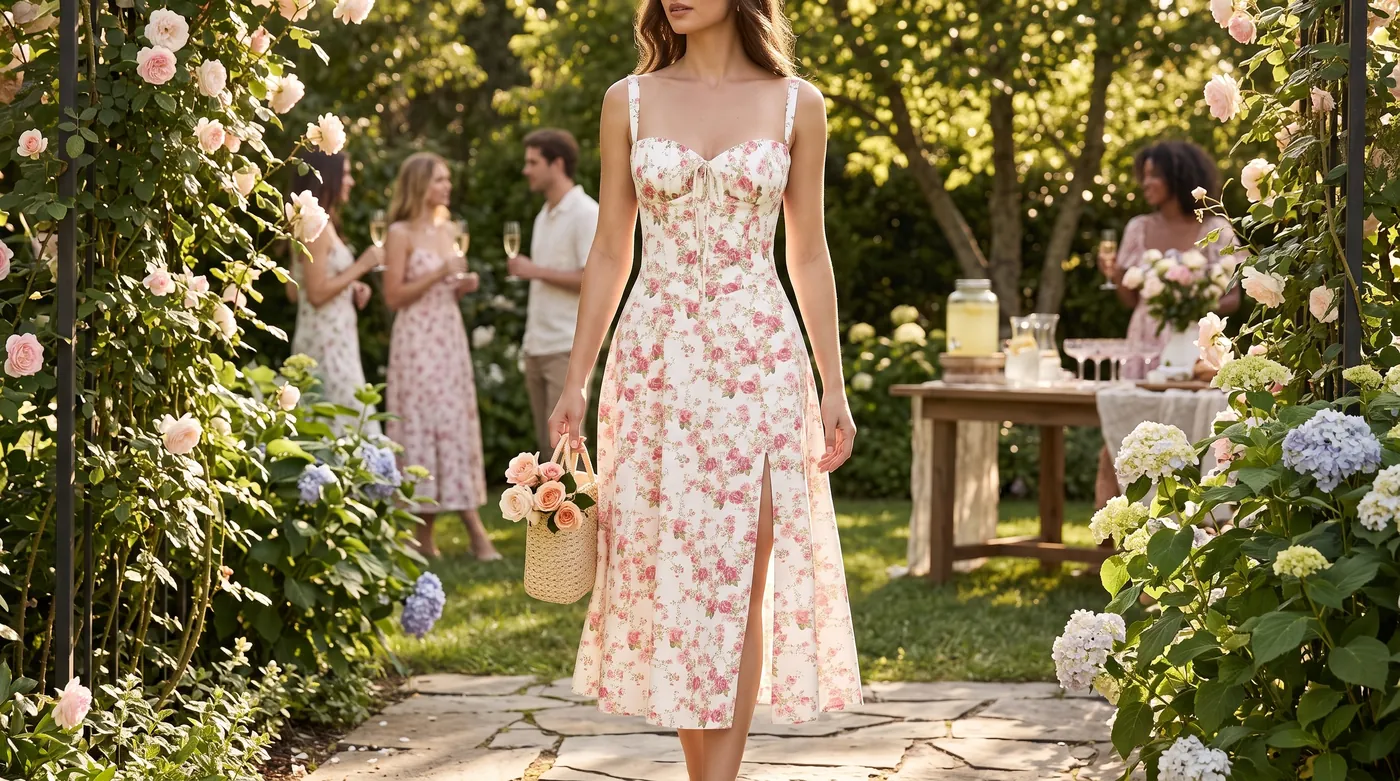
Understanding the Science Behind Bustier Shapewear Sundresses
Understanding the Science Behind Bustier Shapewear Sundresses
For decades, achieving a streamlined silhouette underneath summer clothing meant wearing separate, restrictive undergarments beneath thin dresses. Modern garment engineering has revolutionized this space by integrating compression directly into fashionable outerwear, establishing one of the most popular fashion trends in recent years.
The Evolution of Integrated Shapewear
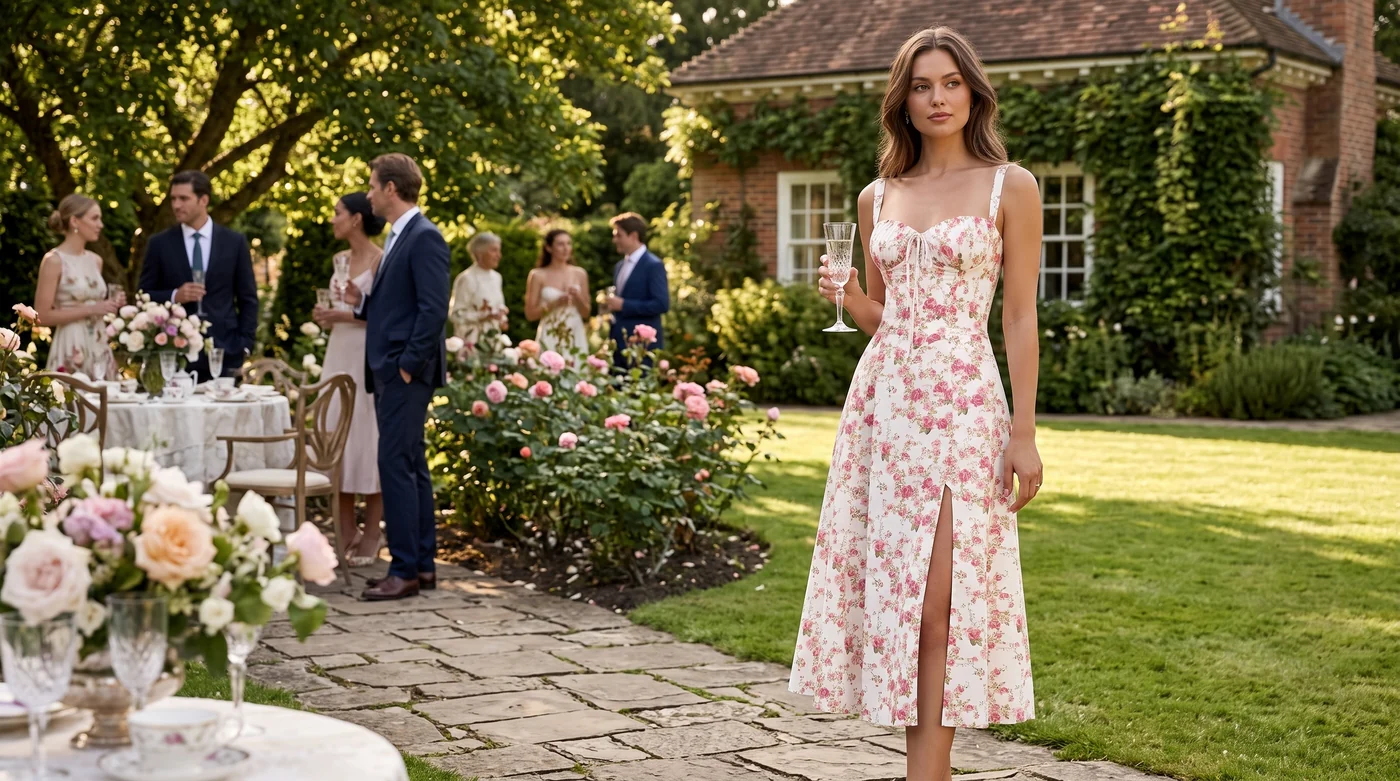
Traditional corsetry relied on heavy boning and rigid fabrics to achieve a cinched waist. While effective visually, these garments restricted breathing and proved impractical for casual warm-weather wear. Modern alternatives combine high-performance synthetic fibers with strategic patterning, creating pieces that smooth the midsection while offering full breathability.
By weaving flexible elastane into structured polyester, garments can deliver targeted pressure without compromising comfort. If you want a complete breakdown of features and sizing considerations, check out [the main guide]. The shift was driven as much by expectation as by material science. Once shoppers experienced athletic fabrics that stretched and recovered through a full day of movement, the trade-offs of traditional foundation garments stopped seeming acceptable. Designers responded by treating support as a property of the dress itself rather than a separate layer beneath it — a rethink of where structure should live in an outfit, not just what it should be made of.
The bustier silhouette turned out to be the ideal vehicle for this integration. Its fitted bodice already demanded structured seams and close tailoring, so shaping panels could be added without changing the garment's outward appearance at all. Details that read as purely decorative — the lace-up back, the drawstring-tie neckline — double as functional tension controls, which is precisely the kind of dual-purpose engineering that separates modern shaper dresses from their corseted ancestors.
How Compression Paneling Works
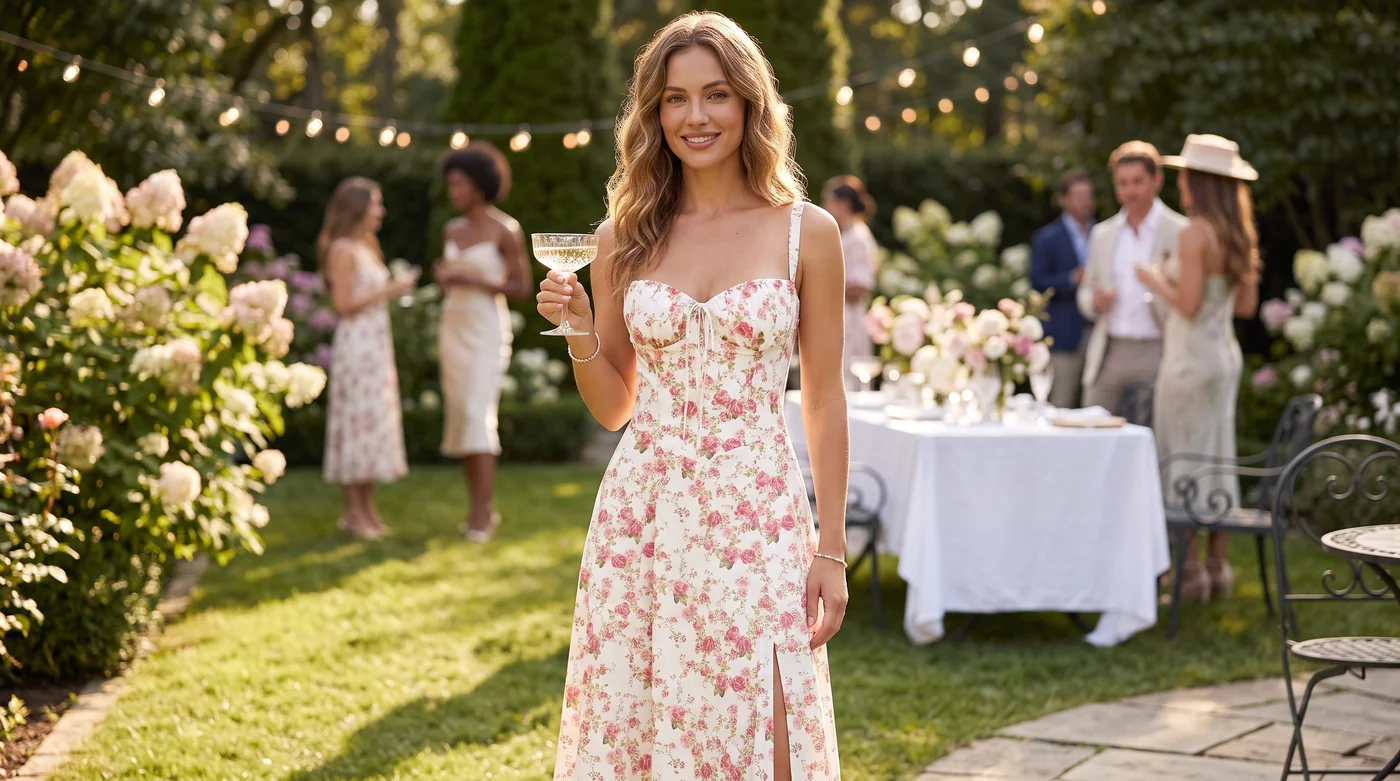
Integrated shaping works through localized fabric tension. In high-quality sundresses, the waist section features dual-layer paneling engineered to provide subtle, adjustable reduction. This targeted approach focuses tension strictly around the midsection while allowing the skirt portion to flow freely.
Key design features include:
- Targeted Abdominal Support: Form-fitting waist panels smooth the midriff without pressing against the ribcage.
- Customizable Tension Controls: Features like a lace-up back allow the user to fine-tune tightness across the lumbar region.
- Integrated Bust Structure: Formed cups and drawstring ties eliminate the need for extra underwire bras.
The freedom of the lower half completes the design. Because the skirt hangs from the structured bodice rather than gripping the hips, walking, sitting, and climbing stairs feel identical to wearing an unstructured sundress. The thigh-baring slit extends that mobility further, ensuring the fitted upper body never translates into a restricted stride. That division of labor — structure above, movement below — is what makes the format wearable for a full day rather than a few posed hours.
Combining Fashion and Ergonomic Comfort
When shapewear elements are disguised within vibrant prints and stylish cuts—such as a thigh-baring slit or sweetheart neckline—the wearer receives all the benefits of structural support without sacrificing personal style. A stretch-knit fabric ensures lightness, flexibility, and durability for season-long wear. Choosing garments with integrated support streamlines dressing and enhances overall daily confidence.
Read the full guide: The Ultimate Guide to Bustier Waist-Shaper Sundresses
There is a practical dimension to the disguise as well. Entry and exit run through a smooth side zipper, so the structured bodice never has to be wrestled over the head, and the lace-up back can hold its calibrated tension from one wear to the next. Hidden pockets carry the small essentials that a separate shapewear layer would have made awkward to reach mid-event. Even the drawstring-tie neckline plays both roles at once, functioning as bust adjustment while presenting as a styling detail.
The result is a quiet reversal of the old shapewear bargain. Where earlier generations accepted discomfort as the price of a smoother line, integrated designs deliver the silhouette through engineering the wearer barely notices. What reads to everyone else as simply a well-cut floral sundress is, structurally speaking, doing considerably more work — and doing it without asking anything of the person wearing it.