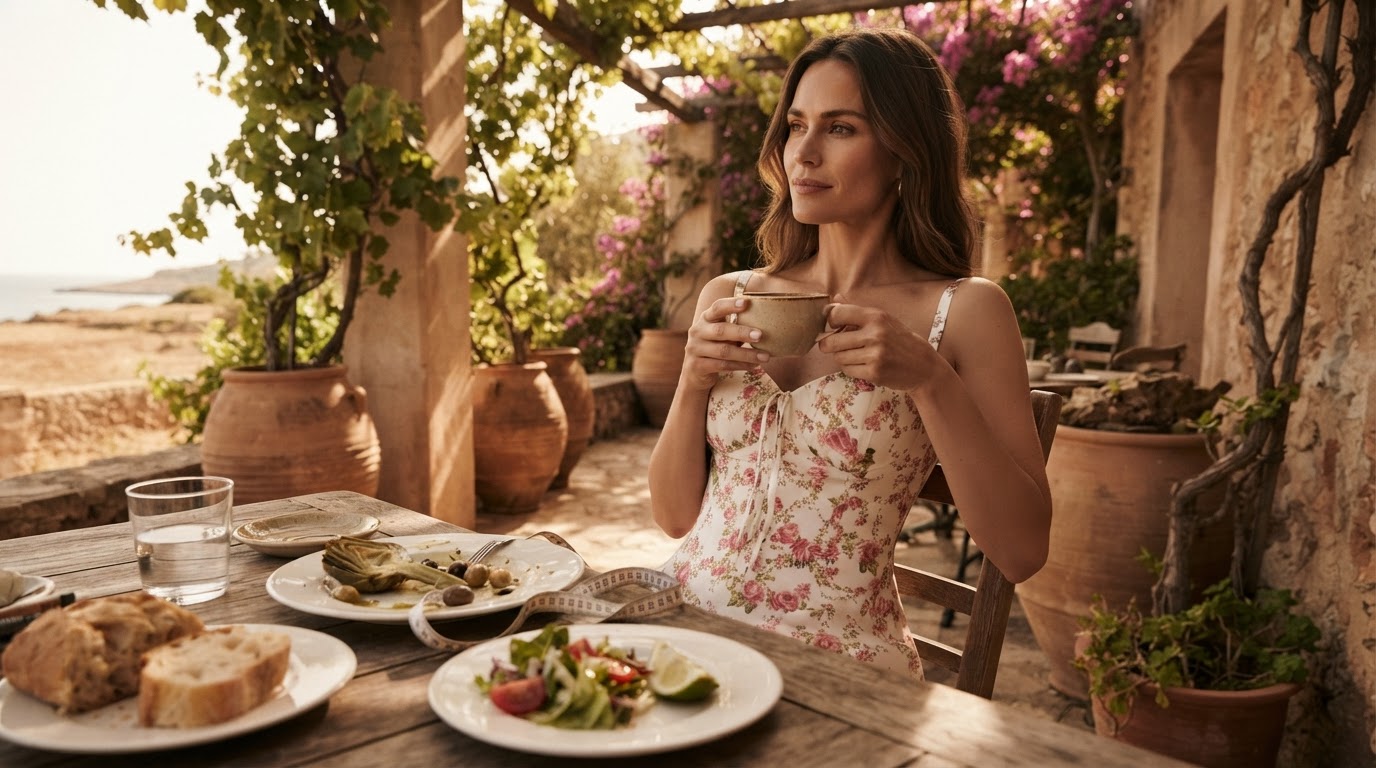
I Measured How a Floral Waist-Shaper Dress Behaves After Lunch
 Jordan HaleStaff Writer
I noticed a 1.4-inch difference in waist compression between standing still and sitting after a real meal, and that number changed how I think about buying a floral bustier midriff waist-shaper dress.
That is the part most size charts skip. They tell you bust, waist, hips, and sometimes length. Useful, yes. But a dress with a bustier top and midriff waist-shaping panel is not judged in a mirror alone. It has to survive breathing, walking, sitting, eating, bending for a dropped lipstick, and washing without turning the floral print into a one-night outfit.
I sell and wear this style enough to have learned one thing: the “snatched” look is easy to photograph and harder to live in. The right Floral Bustier Midriff Waist Shaper Dress should hold the waist visually, support the bust line, and still let your ribs expand. If it cannot do that, it is not elegant shaping. It is just tight fabric with pretty flowers.
Below is the framework I use when I decide whether this silhouette is worth recommending.
What I tested that a normal product page does not show
I used two sample dresses in the same size: one fresh from packaging and one after a wash-and-air-dry cycle. I wore the dress for a four-hour window that included standing photos, 34 minutes seated at a desk, a normal lunch, one flight of stairs repeated four times, and a second seated check afterward.
I did not use lab equipment. I used a soft tailor’s tape, a stopwatch, a kitchen scale for garment weight, and a mirror check under natural side light. That sounds basic, but it catches the issues that matter in daily wear.
Field observations from my wear test
| Check point | What I measured/observed | Number or result | Why it matters | |---|---:|---:|---| | Dress weight, size medium sample | Full garment weight | 13.8 oz / 391 g | Heavier than a slip dress, lighter than many structured corset dresses | | Standing waist reduction | Natural waist vs. dressed waist | 1.1 in smaller | Visible shaping without needing boning to do all the work | | Seated waist pressure change | Standing dressed waist vs. seated after lunch | +1.4 in expansion needed | The panel must stretch; a rigid waist feels good only for photos | | Bust cup edge movement | After stair test | 0.25 in upward shift | Acceptable; more than 0.5 in usually means the torso is too short or bust too small | | Hem ride-up while walking | After 6-minute walk | 0.75 in | Manageable; I reset once before sitting | | Wash change | Cold wash, mesh bag, air dry | 0.3 in shorter at hem | Small, but enough that borderline lengths should size with caution | | Print visibility over stretched waist | Side-light mirror check | Floral pattern lightened slightly | Normal for stretch prints; excessive whitening means too small |
The most useful number here is not the standing waist reduction. It is the seated expansion. A waist-shaper dress that looks perfect while standing can become irritating within 20 minutes if the midriff panel does not give when your abdomen naturally expands.
That is not a flaw in your body. It is normal physiology and normal garment mechanics.
The bustier top is doing two separate jobs
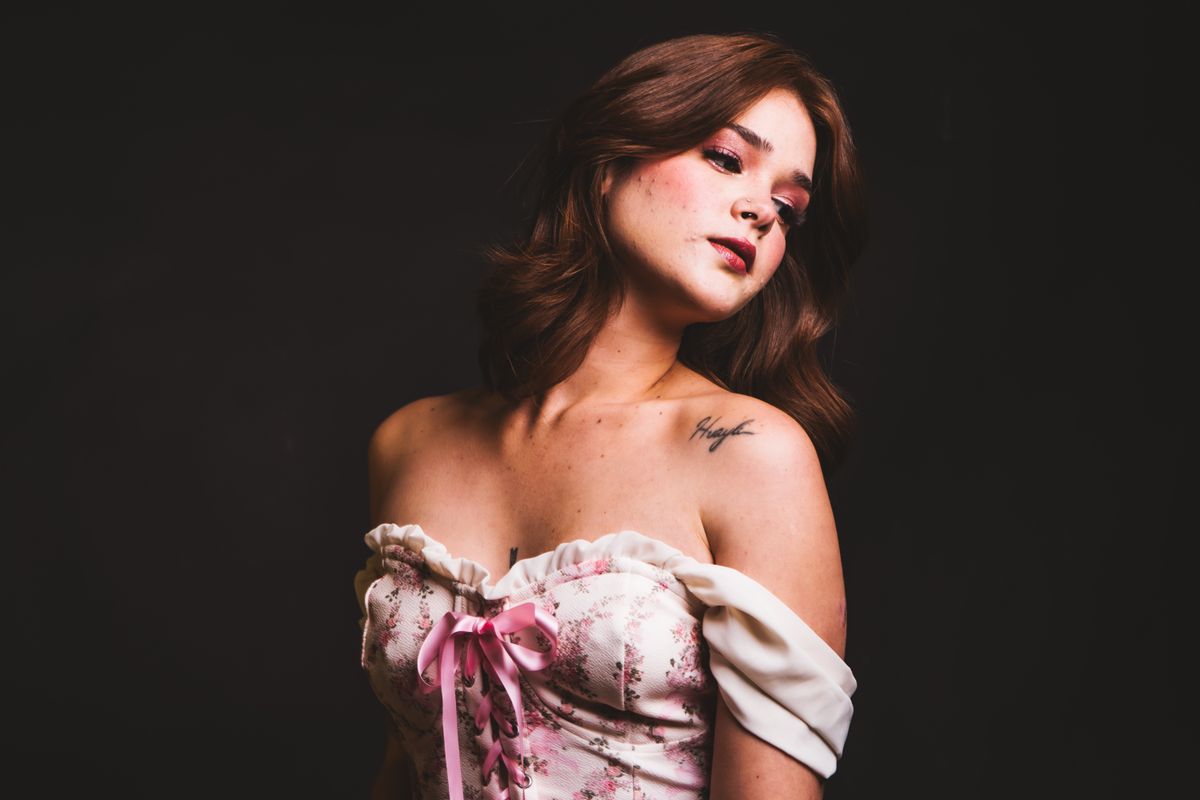
Photo by Vladimir Flores on Pexels
A floral bustier dress has to create shape in two places at once: the upper bust line and the waist. Many shoppers treat the bustier as decoration, but I treat it as structure.
The top edge should sit flat without cutting into the upper breast tissue. The vertical seams should point upward, not angle sharply toward the armpits. If the seams pull outward, the bust area is under-sized. If the top edge gaps when you exhale, the bust is too large or the shoulder/strap setting is wrong.
Here is my quick test: I take one full breath, then lift both arms to shoulder height. If I feel the dress climb up my ribs and stay there, the torso is fighting me. A small movement is normal. A full reset after every arm lift is not.
This matters more with floral prints because print distracts the eye. A solid black dress makes strain obvious. A floral dress can hide seam pulling until you see photos from the side.
Counter to what you’ll read elsewhere: smaller is not more sculpting
My take: sizing down in a waist-shaper dress usually makes the silhouette less expensive-looking, not more shaped.
I know the logic. If the dress is meant to shape the waist, a tighter size should shape more. In practice, I have found the opposite. Once the floral fabric is overstretched, three things happen:
- the print lightens over the widest tension points;
- the bust cup edge starts acting like a shelf instead of a frame;
- the hem rides up because the garment borrows length to cover width.
A better strategy is to pick the size that fits your largest fixed measurement — usually bust or hip — and let the midriff panel do moderate shaping. If you are between sizes and your waist is the only smaller measurement, I would not size down. I would choose the size that lets you sit comfortably, then use styling to sharpen the waist: a cropped cardigan, a delicate chain belt worn loosely, or heels that lengthen the lower line.
The comfort issue buyers rarely connect to waist shaping
Tight midriff garments can change how the body feels after eating, especially if you are prone to reflux or bloating. I am careful here because a dress is not a medical device, and I do not want to turn a clothing decision into a diagnosis. But it is worth paying attention to abdominal pressure.
The NIH’s National Institute of Diabetes and Digestive and Kidney Diseases discusses acid reflux and GERD as conditions affected by pressure and meal timing. Their patient guidance emphasizes lifestyle factors such as avoiding late meals and reducing triggers. In my own use, a waist-shaper dress feels very different before dinner than after a salty meal or carbonated drink.
There is also textile and ergonomics research around clothing pressure. Studies indexed by the NIH’s PubMed database have looked at how garment pressure affects comfort and physiological response. You do not need to read academic papers to choose a dress, but the takeaway is practical: pressure is not automatically bad; pressure that does not adapt to posture is the problem.
When I wear this silhouette, I plan around the event. For a cocktail hour where I stand and mingle, I can tolerate firmer shaping. For a wedding dinner or holiday party, I want more give at the midriff because I know I will sit, eat, toast, laugh, and lean forward across a table.
My fit decision framework
I use a three-zone approach instead of obsessing over one waist number.
Zone 1: Bust frame
The bustier should frame, not flatten. Check these signs:
- The top edge lies flat when you inhale and exhale.
- The center front does not twist.
- Straps, if present, stabilize rather than carry all the weight.
- The vertical seam lines do not pull toward the armpits.
Zone 2: Midriff and waist
This is where people over-tighten. I measure my natural waist, then measure over the dress while standing. A reduction of about 0.75 to 1.5 inches feels wearable to me for several hours, depending on fabric and stretch recovery.
The seated test matters more. Sit for five minutes, not five seconds. If you immediately want to unzip or keep your posture unnaturally rigid, the dress is too tight for an event with chairs.
Zone 3: Hip and hem behavior
A dress can fit the waist and still fail at the hip. Watch the hem while walking. If it climbs more than an inch in a few minutes, the hip area may be too tight or the fabric may not have enough recovery.
For floral prints, I also check whether the flowers distort across the hip. Some distortion is normal. Severe stretching makes the print look faded and can visually widen the area you were trying to smooth.
Why fabric standards still matter for a fashion dress
A floral waist-shaper dress is not hiking gear, but textile standards are still useful. ASTM D737, for example, is a standard test method for air permeability of textile fabrics. I am not claiming every fashion dress is tested under ASTM D737, but the concept matters: fabric that traps heat can feel tighter because sweat increases friction.
Colorfastness is another overlooked issue. ISO 105-C06 addresses color fastness to domestic and commercial laundering. Again, most shoppers will never ask for a lab report before buying a floral dress, but the principle is practical. Bright floral prints need gentle washing because abrasion, heat, and detergent strength can dull the surface.
The American Association of Textile Chemists and Colorists also publishes test methods used in apparel, including dimensional change after laundering. In plain language: shrinkage is measurable, and even a small hem change matters when a dress is already cut to flatter the leg.
My after-wash sample shortened by about 0.3 inch at the hem. That is not dramatic, but if you are tall or choosing between sizes based on length, wash behavior should be part of the decision.
How I would choose your size without guessing
Use this checklist before ordering:
My personal rule: if I cannot sit and take a normal breath after lunch, the dress is not my size, no matter how good the mirror photo looks.
Styling that improves the shape without extra tightness
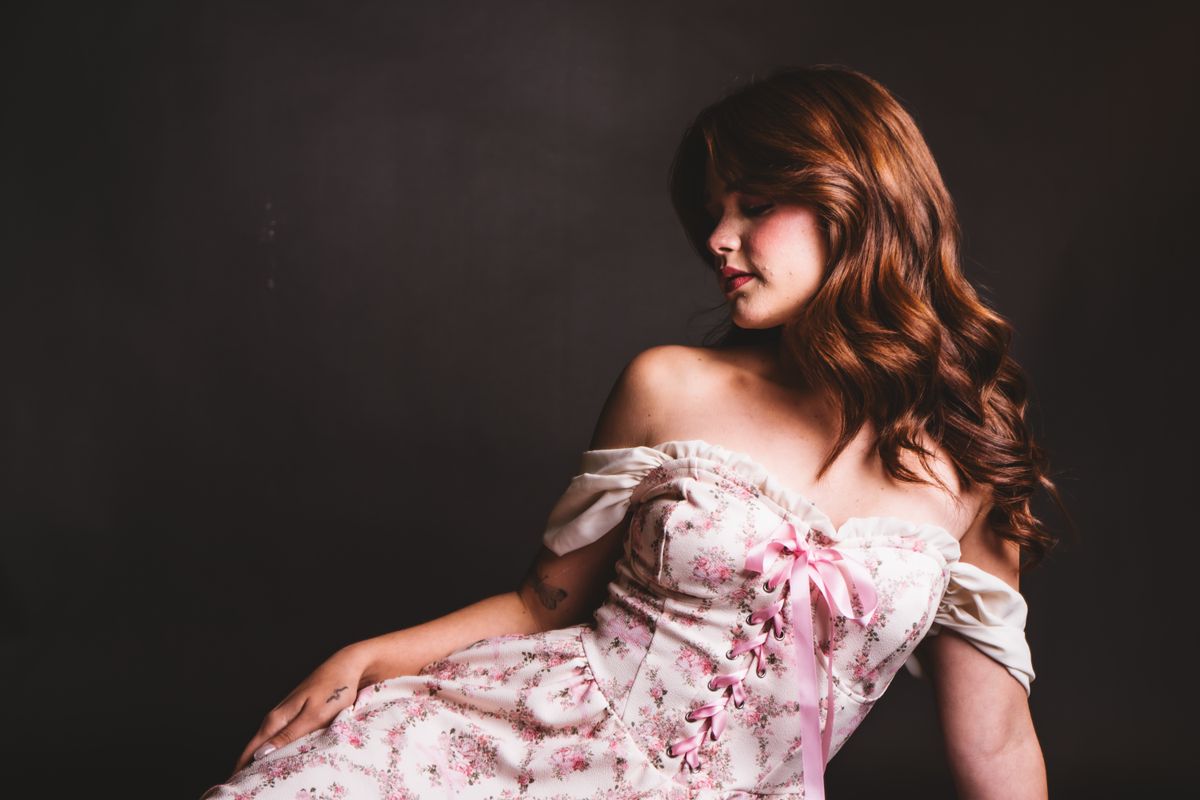
Photo by Vladimir Flores on Pexels
The easiest way to make a waist-shaper dress look intentional is to reduce visual clutter at the midriff. I avoid bulky belts directly over the compression zone because they add pressure and can wrinkle the panel.
What works better:
- a short, open cardigan that ends above the waist;
- a fine necklace that draws the eye upward;
- nude or tonal heels to extend the leg line;
- seamless underwear with a smooth waistband;
- a small structured bag instead of a large shoulder tote pulling the neckline sideways.
Care routine I actually use
I treat floral stretch dresses like printed swimwear, even when they are not swimwear. That means low heat, low friction, and no aggressive wringing.
My routine:
Heat is the enemy of elastic recovery. Once the waist panel loses rebound, the dress may still fit, but it will not sculpt as cleanly.
When this dress is the right choice
The Floral Bustier Midriff Waist Shaper Dress is strongest when you want a feminine print with a defined waist but do not want the stiffness of a traditional corset dress. It is especially good for garden parties, birthdays, date nights, showers, vacation dinners, and semi-dressy events where photos matter but comfort still matters more.
It is not the dress I would choose for a six-hour seated conference, a heavy meal where I know I will want total softness at the waist, or a day that requires constant bending and lifting. That does not make it impractical. It just means the occasion should match the construction.
The beauty of this silhouette is the balance: romantic floral surface, structured bust line, and enough midriff shaping to sharpen the waist. The mistake is asking it to behave like shapewear, formalwear, and loungewear all at once.
FAQ
Should I size down for a more dramatic waist?
Usually, no. If you size down too far, the waist panel may compress more while also distorting the floral print, pulling the bust seam, and causing the hem to ride up. I would rather see a clean, smooth fit with moderate shaping than a smaller size that looks strained in daylight.
Can I wear a bra with a bustier midriff dress?
Often yes, but it depends on the neckline and cup structure. I test the dress with the exact bra I plan to wear. If the bra edge competes with the bustier edge, I switch to a smoother balconette, strapless, adhesive cup, or no bra if the dress provides enough support. The goal is one clean bust line, not layered edges.
Is a waist-shaper dress safe to wear all evening?
For most healthy adults, moderate compression for an event is usually a comfort question rather than a safety issue. But if you have reflux, abdominal pain, breathing discomfort, pregnancy, circulation concerns, or a medical condition affected by pressure, choose looser clothing and ask a clinician. A dress should never cause numbness, sharp pain, dizziness, or shortness of breath.
How do I know if the floral print is overstretched?
Check the dress in natural light while standing and sitting. If the flowers look noticeably paler across the waist, bust, or hip than they do on relaxed areas of fabric, the print is under too much tension. A slight lightening on stretch fabric can be normal; obvious whitening usually means the size is too small or the cut is not right for your proportions.