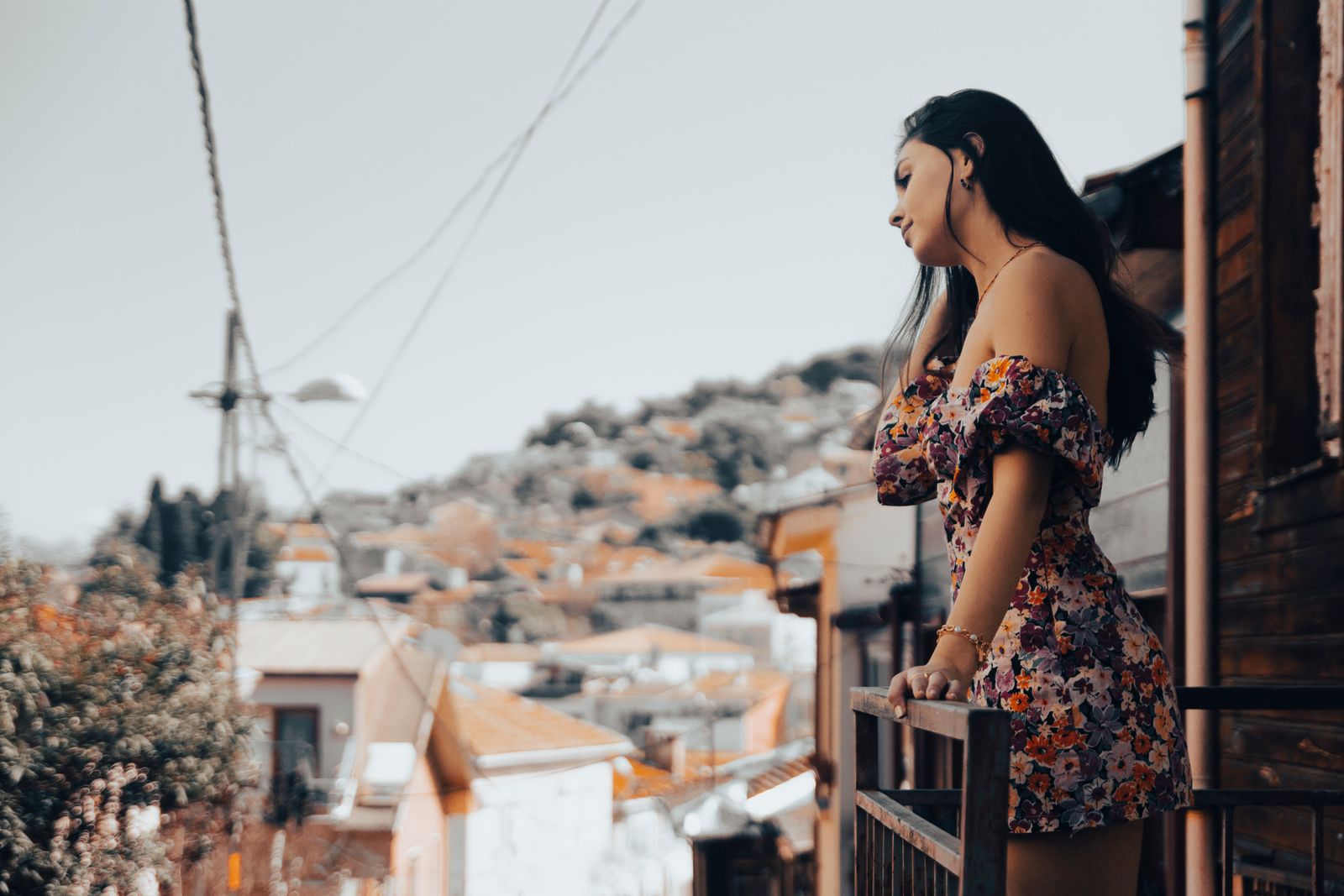
Bridesmaid Dress Alternatives: A Buying Guide to Coordinated Shaping Floral Sundresses
Coordinated printed sundresses have become a common substitute for matching bridesmaid dresses, and the reason is practical: the party gets a garment each person can wear again, and the couple gets a set of photographs with more color in them. The trade-off is that coordination now has to be managed deliberately, because nothing matches by default. This guide sets out what to standardize, what to leave open, and how a shaping floral sundress fits the brief.
Why do wedding parties choose sundresses over matching bridesmaid dresses?
Three reasons account for most of the shift. First, a single-use formal dress in an assigned color is worn once, and members of the party pay for it. Second, one silhouette rarely suits an entire group, so a mandated cut means several people spend the day uncomfortable. Third, printed daytime dresses photograph well against gardens, vineyards, and beaches, which is where a large share of warm-season weddings now happen.
A shaping bustier sundress answers those points specifically. A fitted bustier top with built-in waist shaping and a lace-up back adjusts to the wearer rather than requiring alterations. A side zipper means getting in and out without another person's help, which matters in a shared getting-ready room and again several hours later. Hidden pockets carry a phone and a lipstick through a day where nobody wants to be holding a bag in photographs. And a printed daytime dress is worn again, which is the argument that actually persuades a wedding party.
What has to be standardized, and what can vary?

Photo by Atlantic Ambience on Pexels
Coordination fails when everything is left open and looks accidental. Standardize three things and let the rest go.
Standardize:
- Palette. Two or three colors, drawn from the venue and season. Every dress must contain at least one of them.
- Hem length. Mixed midi and floor-length in one row of photographs reads as unplanned. Pick a band, such as at or just below the knee, and hold it.
- Formality level. All daytime prints, or all evening fabrics. Not both.
- Print scale, which is what keeps the group from looking uniform.
- Neckline, so each person wears something they will actually keep.
- Footwear, within an agreed heel height range that suits the ground at the venue.
- Whether one person, usually the maid of honor, wears a distinct print as a visual anchor.
- Whether the party buys from one source or several. One source makes palette control easy and delivery predictable.
How do the three main approaches compare?
| Approach | Cost to the party | Fit across sizes | Photograph result | Wears afterward | |---|---|---|---|---| | Matching formal bridesmaid dresses | Highest, often with alterations | One cut for everyone | Uniform and traditional | Usually none | | Coordinated printed sundresses from one source | Moderate | Adjustable styles fit a wider range | Cohesive with color variation | High for warm-weather wardrobes | | Mismatched dresses, party's own choice | Lowest | Everyone wears what suits them | Depends entirely on palette discipline | High | | One print, several silhouettes | Moderate | Good | Strongly cohesive | Moderate to high |
The middle two rows are where most wedding parties land now. The fourth is the most controlled version of the sundress approach and the easiest to brief.
What should the party actually buy?
A specification-style checklist for evaluating candidate dresses:
- Adjustable at the waist or back. A lace-up back or drawstring ties absorb the differences between the measurements a person sends in and the body they arrive with months later.
- Sittable. The party sits for a ceremony, a meal, and a long car or shuttle ride. Anything that cannot be sat in for two hours is the wrong garment.
- Independent fastening. A side zipper is worn without help. A full back zipper is not.
- Pockets, if available. Hidden pockets solve the bag problem for the entire party.
- A hem that suits the ground. Grass, gravel, sand, and stone each punish a different hem.
- Straps or a secure neckline for anyone who plans to dance. A drawstring-tie neck can be set tighter for the evening.
How do you coordinate a party of six without chaos?
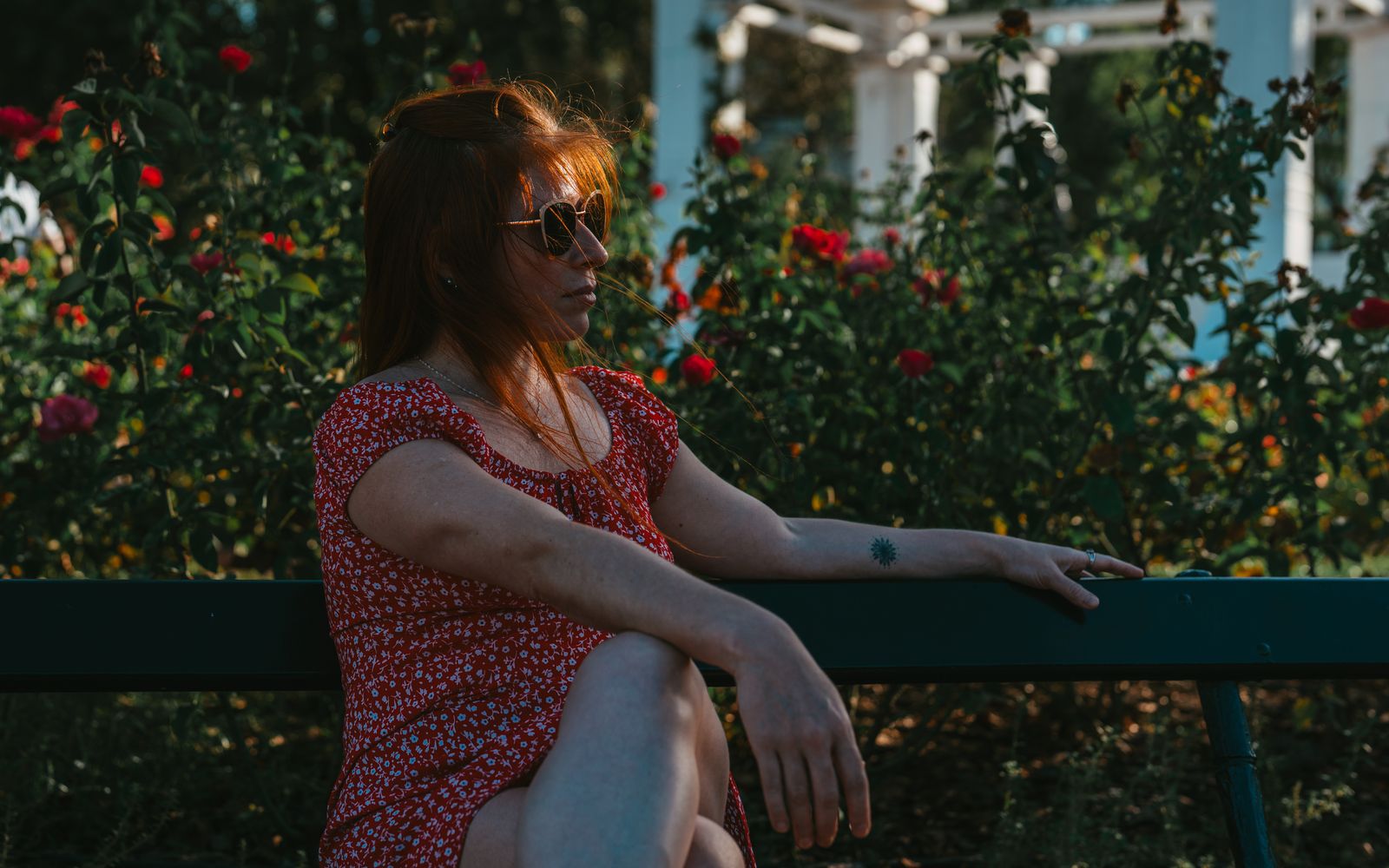
Photo by Guillermo Berlin on Pexels
Will it hold up through a full wedding day?
This is the question the party will ask, and it deserves a straight answer. A wedding day means eight to twelve hours of standing, sitting, eating, hugging, and usually dancing, in a garment nobody has worn for that long before.
Fitted styles hold their line through that day if the adjustment is set correctly at the start. The common error is lacing a back panel as tight as it will go while standing still in the morning, then discovering the tension is wrong by dinner. Set adjustable elements to be comfortable when seated and breathing normally, and they stay comfortable when standing. Testing how a shaped waist behaves across a long day is exactly what the wear test over the course of a day documents.
Two practical additions: fabric-safe underarm shields for a hot venue, and a small repair kit with a spare lace or cord for the party's bag. Neither is glamorous and both get used.
Frequently asked questions
Is a printed sundress too casual for a wedding party? Not for a daytime or outdoor wedding, which is where the format belongs. It reads too casual at an evening black-tie reception, and for a formal indoor ceremony a solid, heavier fabric is the safer choice. The venue and the invitation's stated dress code decide this, not the print itself.
How do you handle a party with very different sizes? Prioritize adjustable styles and buy from one size chart. Lace-up backs and drawstring necklines cover a wider range than fixed-seam bodices, and ordering from a single chart means everyone is working from the same measurements rather than comparing labels across brands.
Should the party all wear the same print? One print in several cuts is the most cohesive option and the easiest to brief. Several prints in one palette looks more relaxed and gives each person something they will genuinely wear again. Both work; mixing the two approaches in one party does not.
What about the person who does not want a fitted dress? Give them a different silhouette inside the same palette. The palette is what holds the group together in photographs, so silhouette flexibility costs nothing visually and prevents the one person in the row who looks uncomfortable. Styling routes for a fitted print dress are collected in the styling guide if they simply want to see what is possible first.
The practical next step
Pick the palette from a photograph of the actual ceremony site at the actual hour of day, then order one dress and wear it for a full evening before asking anyone else to buy. One tested dress makes every later decision faster, and it is the only way to know whether the garment survives a real day rather than a fitting-room minute.
Cover photo by Fatih Yavaşoğlu on Pexels.