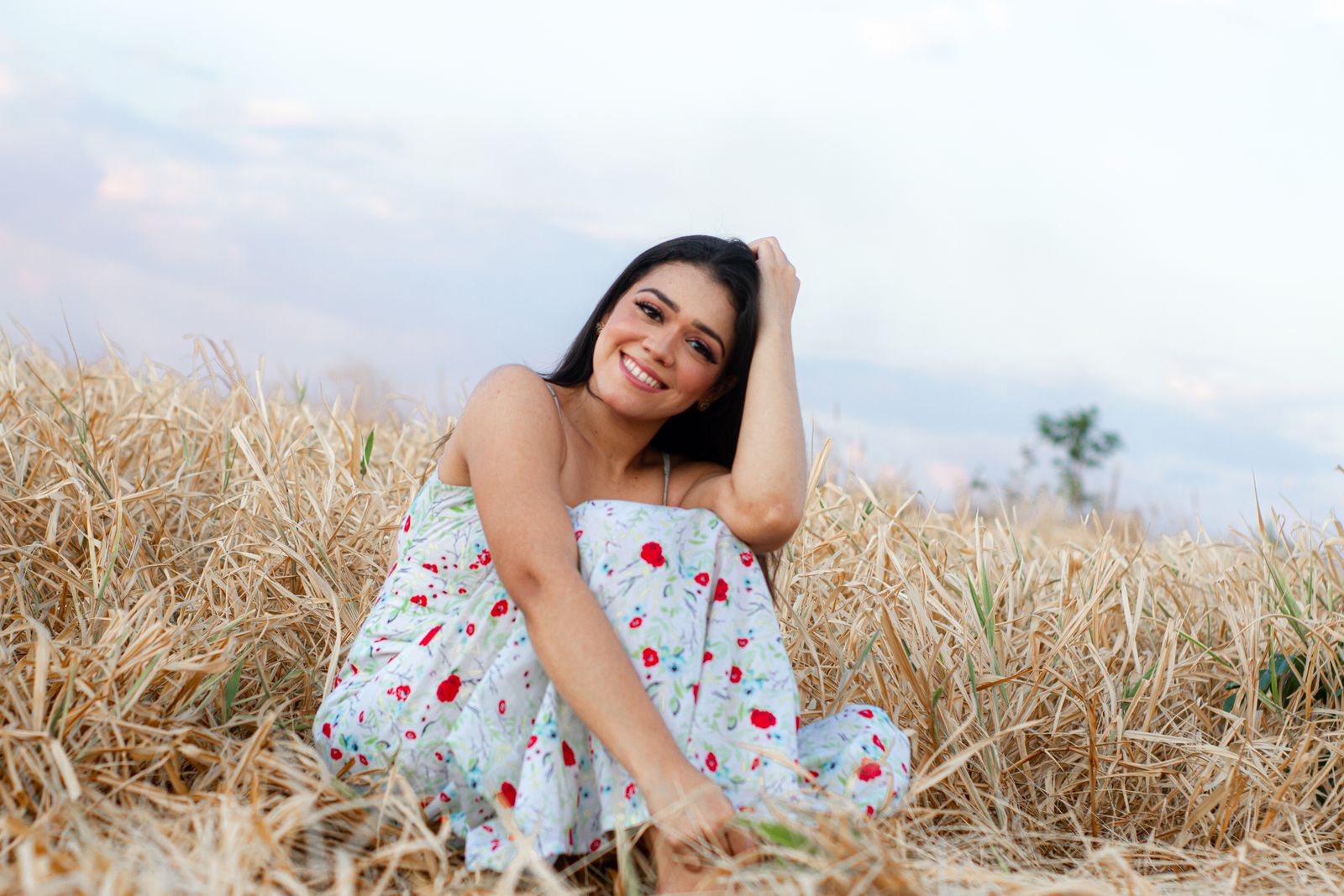
How to Tell If a Viral Bustier Sundress Is Actually Well Made
A short video cannot show you construction quality, and construction is what separates a bustier sundress that holds its shape from one that collapses after two wears. Six things decide it: the closure count, whether the bodice is boned or merely lined, the eyelet reinforcement on a lace-up back, the seam allowance at stress points, print alignment across seams, and whether the hem is finished or overlocked. All six are visible in still photographs and in the product details, if you know to look.
This is a construction checklist, not a trend review. The point is to buy a viral dress the same way you would buy an expensive one.
Why viral clips hide the things that fail
A fifteen-second clip is filmed in one direction, once, on a still body. The failures in a structured sundress happen in the dimensions the clip does not cover: the third hour, the seated position, the wash cycle, and the back view. A dress can look excellent in a spin and still slide down when you raise your arms.
There is also a survivorship effect. The clips that spread are the ones where the dress worked, filmed by people who got the size right and set the closures carefully. That is not dishonest, but it is not a durability test either.
So treat the video as evidence of one thing only: that the silhouette appeals to you. Everything else needs separate checking.
The six-point construction checklist
Photo by Edgars Kisuro on Pexels
1. Count the closures. More independent adjustment points means a wider range of bodies and days the dress can fit. The Floral Bustier Midriff Waist Shaper Dress has three — a drawstring-tie sweetheart neck, a lace-up back, and a side zipper — which is at the high end for a summer dress. A single back zipper and nothing else means the fit you receive is the fit you keep.
2. Look for structure in the bodice, not just lining. A fitted bustier top needs something holding its shape: boning channels, a firm interlining, or a shaped seam pattern. In photos, look for vertical seam lines running through the bodice. A bodice made of two flat panels with darts will soften quickly.
3. Check the eyelets on a lace-up back. Metal grommets set through a reinforced panel last. Stitched buttonholes in a single layer of light fabric tear. Zoom into the back photograph — you should see the eyelets sitting on a panel that is visibly different from the surrounding fabric, or a doubled band along the opening.
4. Find the side zipper and see where it ends. A side zipper is easier to manage alone than a back zipper and it keeps the back clean for lacing. What matters is that it extends far enough down past the waist for you to get in without straining the bodice. A short zipper on a fitted midriff is a repair waiting to happen.
5. Read the print across the seams. On a well-cut printed dress the pattern flows across the side seams rather than jumping. Perfect matching is rare and expensive; complete disregard, where a bold motif is cut in half at every seam, indicates the fabric was laid out purely for yield.
6. Look at the hem and the slit edge. A thigh-baring slit takes stress every step. A folded and stitched hem along the slit edge lasts; a raw overlocked edge frays. This is the single most reliable durability tell in the entire garment, and it is usually visible in one detail photo.
Comparing what you can and cannot verify before buying
| Claim | Verifiable before purchase | How to check | |---|---|---| | Number of adjustment points | Yes | Product description and back photograph | | Bodice has real structure | Mostly | Vertical seam lines, described interlining | | Eyelet reinforcement | Yes | Zoom on the lace-up back | | Hidden pockets are usable depth | Partly | Look for a photograph with a hand inside | | Print matching quality | Yes | Compare left and right side seams | | Comfort over four hours | No | Only wear tells you this | | Colorfastness after washing | No | Follow the care label from the first wash | | Exact shade in daylight | No | Screens vary; expect some difference |
Being honest about the right-hand column is what stops trend regret. Two of these you cannot know in advance, so plan around them rather than assuming.
Features that earn their place, and features that do not
Worth paying for on a summer bustier dress:
- Hidden pockets. Genuinely useful and rarely well done. They should be set into the side seams so the outline of the dress stays clean when empty.
- A lace-up back. It converts one fixed waist measurement into a range, which is the difference between a dress that fits on a cool morning and one that fits all day.
- A side zipper. Getting dressed alone is a real requirement, and a side zipper solves it without the awkward reach of a center back closure.
- A drawstring neckline. Lets you set the bust height rather than accept it.
- Trend-specific detailing. Anything that dates the dress to one season reduces the number of times you will wear it.
- Excessive lining weight. For spring and summer wear in heat, heavy lining is a cost, not a benefit.
- Removable straps you will never use. Extra hardware, extra failure points.
What the photographs will not tell you, and how to plan for it
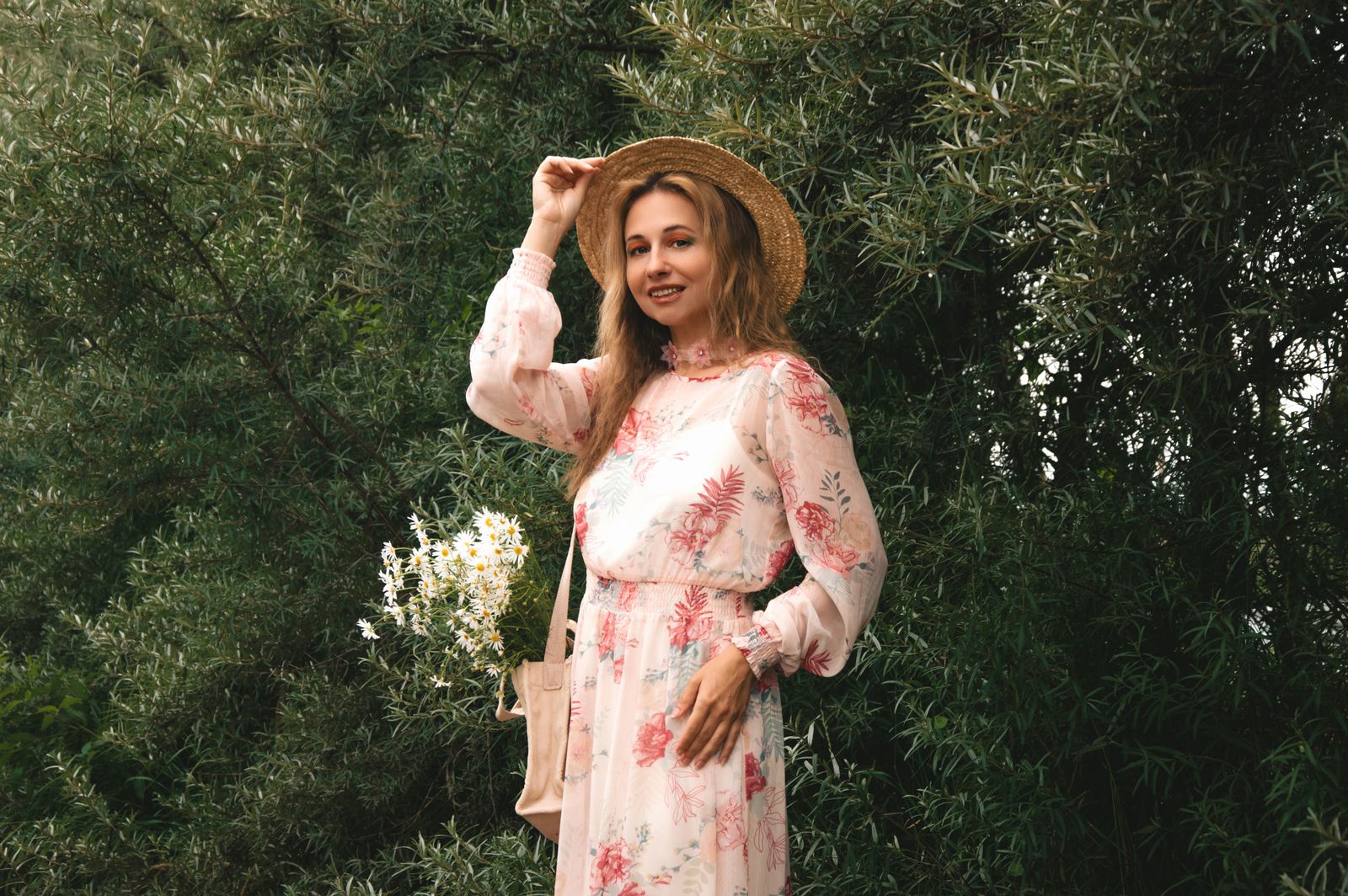
Photo by Vika Glitter on Pexels
Two things stay genuinely unknowable until the dress is in your hands: how it feels after four hours, and exactly what shade the print is in daylight. Neither is a reason to avoid buying online, but both are reasons to buy in a particular order.
On comfort, plan the first wear as a low-stakes one. Wear the dress for an afternoon at home or somewhere you can change, with the closures set carefully, and pay attention to the seated hour rather than the first ten minutes. A structured bodice that is comfortable seated for an hour will be comfortable at an event; one that is not will not improve on the day.
On color, expect a difference. Screens render saturated summer prints more vividly than daylight does, and different screens disagree with each other. If the exact shade matters because you are coordinating with something, check the return terms before ordering rather than hoping. Photographs taken outdoors in shade are the closest thing to a reliable color reference, so look for those rather than studio shots on a white background.
A practical buying procedure
FAQ
Are viral bustier sundresses lower quality than non-viral ones? Not inherently. Virality is a distribution outcome, not a manufacturing one. What it does mean is that a lot of buyers arrive without checking construction, which is why the checklist matters more, not less.
Is a lace-up back better than a back zipper? For fit range, yes — lacing adjusts, a zipper does not. For speed and for wearing under a fitted jacket, a zipper is simpler. A dress with a side zipper plus a lace-up back gives you both, which is why that combination is worth looking for.
How can I tell if hidden pockets are actually usable? Look for a photograph with a hand in the pocket, or a description that specifies side-seam placement. Pockets that are only shown flat, with no depth indicated, are often shallow enough to be decorative.
Will a structured bustier dress be too warm for summer? It depends on the fabric weight and the lining more than the structure. A fitted bodice covers less surface area than a full-sleeve dress, and a thigh-baring slit adds airflow, so structure alone does not make a dress hot.
Next step
Before ordering, spend five minutes on the back photograph and the slit hem. Those two details predict how the dress will look on its tenth wear better than any amount of front-facing video. If you want a real-world account of how it performs, this wear review is the place to start.
Cover photo by Reginaldo Lustosa on Pexels.