The Ultimate Guide to Floral Bustier Sundresses: Style, Shaping, and Fit
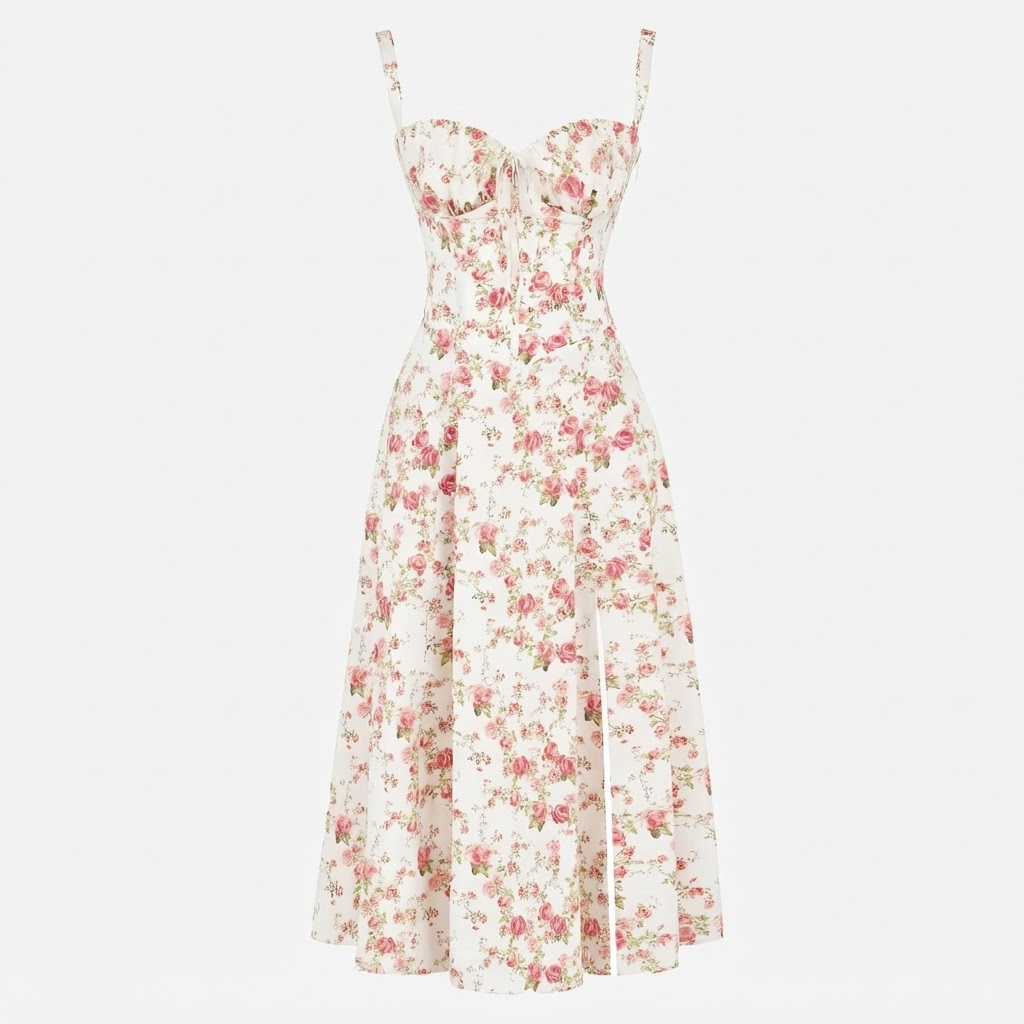
The floral bustier dress has rapidly transitioned from viral social media trend to an essential centerpiece of modern warm-weather wardrobes. Combining vintage corset-inspired structuring with modern stretch fabrics, this silhouette provides a perfect balance of elegance, structure, and breathable comfort. When looking for the ideal warm-weather outfit, the Floral Bustier Midriff Waist Shaper Dress stands out by offering waist-tightening and shaping benefits without sacrificing ease of movement.
The Evolution of the Floral Bustier Sundress
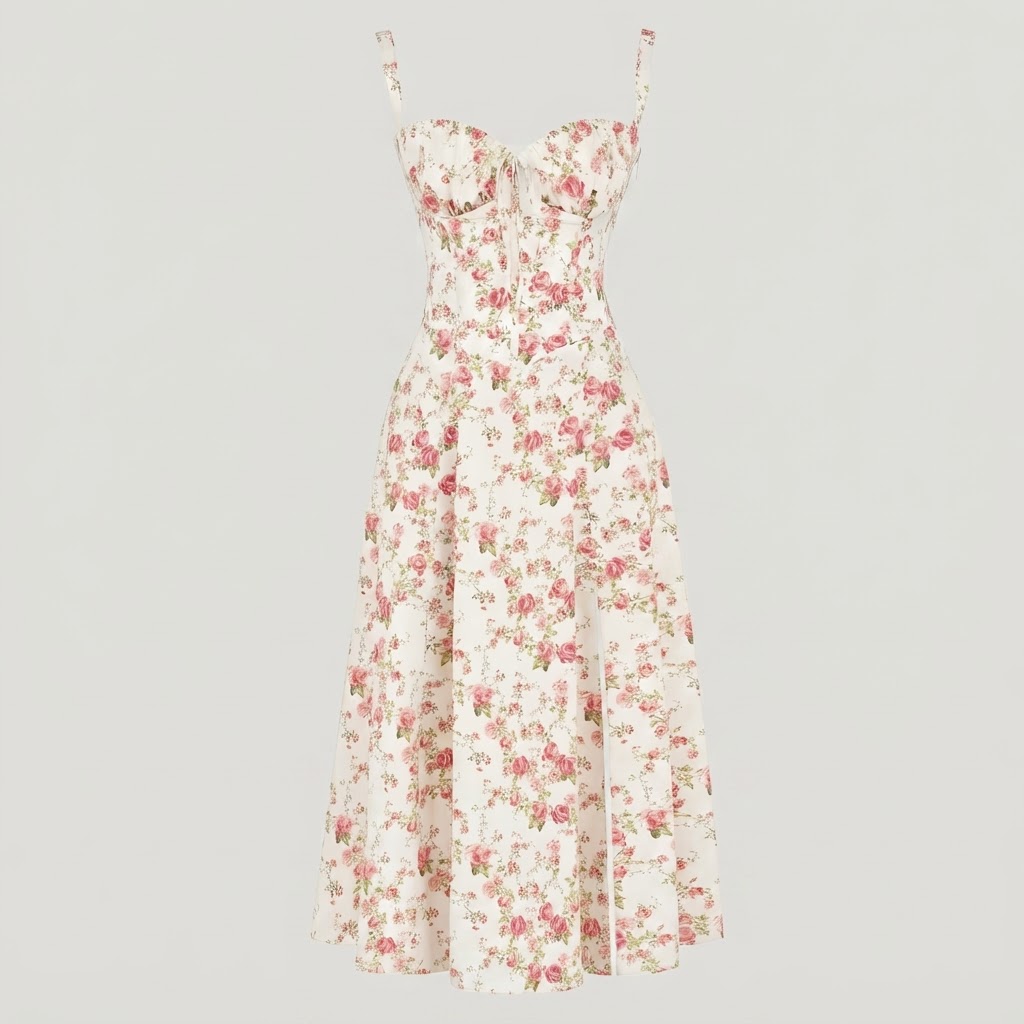
Historically, structured bustiers were rigid garments reserved for formal undergarments or heavy evening wear. Modern design innovations have reimagined this structured top, marrying eye-catching colorful prints with soft, flexible textiles. Made from high-grade Polyester & Spandex, contemporary sundresses deliver the aesthetic appeal of traditional boning while allowing full flexibility for garden parties, brunches, and outdoor summer celebrations. The garment sits at the meeting point of two long traditions. Structured bodices, boned, panelled, and laced, come from formalwear, where the job was to hold a shape independently of the wearer. Sundresses come from the opposite direction: light, loose, unlined, built for heat rather than for line.
For most of the twentieth century those stayed separate, because structure meant weight, lining, and stiffness, none of which belongs in a summer dress. What changed is fabric. Lighter fabrics with genuine recovery made it possible to build a garment that holds a shape without the weight that used to come with it.
The floral print is the part that carries over from the sundress side unchanged, and its practical logic is easy to miss: prints on a pale ground reflect more sun than dark solids, and a busy pattern conceals the seams that structured construction necessarily adds.
Key Architectural Features for Modern Support
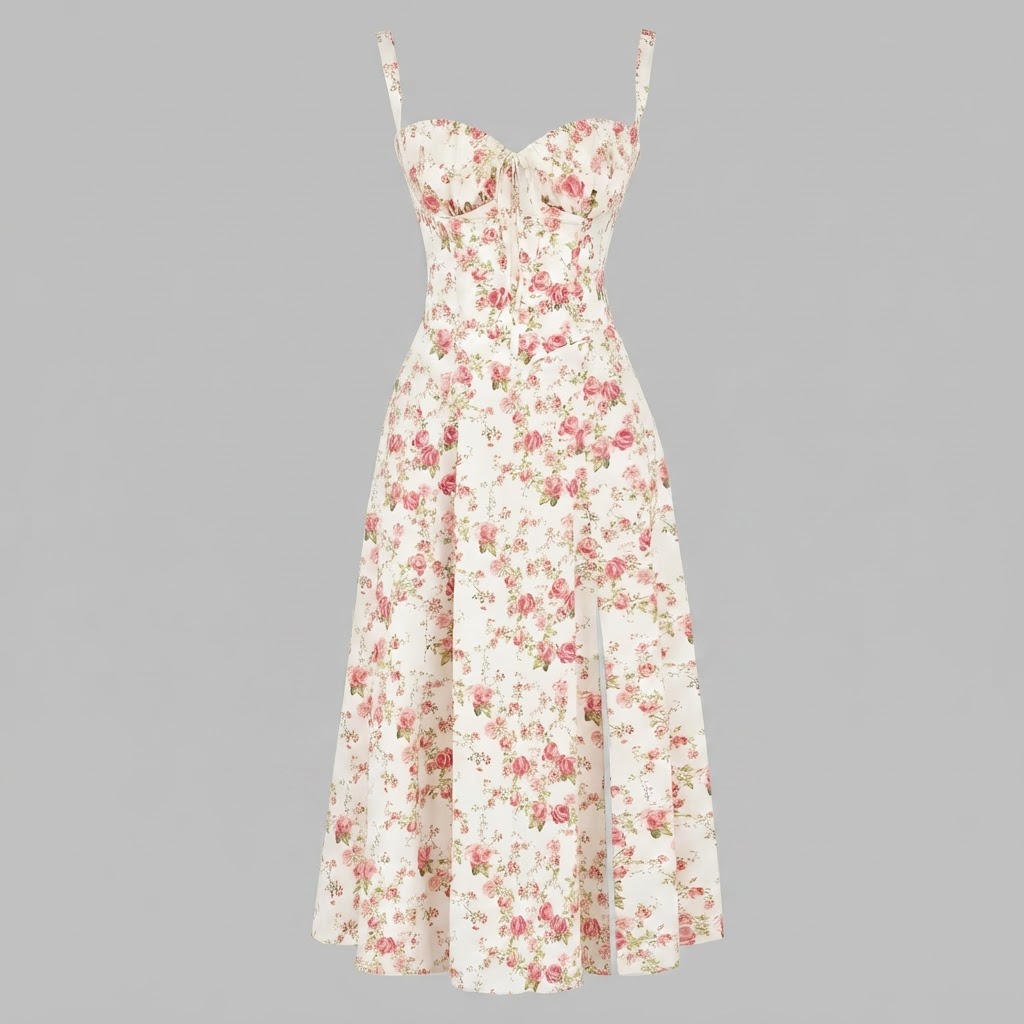
Achieving both support and visual elegance requires specific garment engineering features. A fitted bustier top anchors the bodice, while a drawstring-tie sweetheart neck provides customizable coverage across the bustline. To ensure seamless wearability, modern designs integrate a side zipper for easier on and off, keeping the exterior lines smooth and uninterrupted. Furthermore, functional elements like hidden pockets do not spoil the elegant shape, offering practical storage for small essentials while maintaining a sleek silhouette. Ranked by how much each affects the way the dress actually wears.
The bodice panels come first. More seams following the body's curves is what creates shape at all, and it is the difference between a fitted dress and a loose one with a belt.
Fabric recovery is second and is routinely overlooked. A little elastane means the waist and bust stay set through a day of movement; without it, a fitted dress relaxes into a loose one by evening.
Adjustable closures are third. Lacing at the waist and a drawstring at the neckline turn two fixed measurements into ranges, which is what lets one size fit a variety of bust-to-waist ratios.
The side zip is fourth and is the least glamorous item on the list. It is what makes a laced garment possible to get into alone.
Boning, where present, is fifth. Light boning at the seams keeps a bodice from collapsing when you sit; heavy boning belongs in formalwear and is more structure than a summer dress needs.
And set-in pockets are last on the structural list but first on the list of things people actually mention afterwards.
Built-In Waist Tightening vs. Traditional Shapewear
Unlike traditional shapewear that requires layering restrictive undergarments beneath thin sundresses, modern shaping dresses incorporate compression directly into the pattern architecture. Featuring a lace-up back, this dress enables precise adjustability around the midsection. The combination of targeted waist-tightening and shaping fabric panels flatters every body type, while a thigh-baring slit ensures ease of movement and adds dynamic flow to the skirt. The two approaches shape the body by different mechanisms, and that difference decides how each feels over a long day.
Shapewear compresses. It works by applying pressure inward across the torso, which means an extra layer of dense fabric in summer heat, restricted movement, visible edges under lighter fabrics, and a comfort ceiling: light enough to be comfortable or firm enough to shape noticeably, rarely both.
Structural shaping controls where fabric sits. Panels, seams, and lacing hold the garment close at the waist and release it elsewhere, without pressing inward, so there is no second layer, nothing to trap heat, and nothing to adjust discreetly through an evening.
Where shapewear still wins is versatility. One shaping layer works under many garments, whereas a structured dress shapes only when you are wearing that dress. For a wardrobe of loose dresses, shapewear is the flexible answer. For a garment worn regularly through a summer, the structural approach is more comfortable and looks better, because there are no edges to show.
Styling Floral Bustier Dresses for Spring and Summer
Styling a printed tight bustier sundress depends largely on the occasion. For casual daytime events, flat sandals and minimalist gold jewelry complement the colorful pattern without overwhelming the structured design. For spring and summer garden parties, elevate the look with block heels and a structured clutch. Available in a versatile SIZING_RANGE of XS - 3XL, finding the right fit ensures the flowing skirt moves gracefully as you walk. A few rules that hold across most occasions.
Let the dress lead. A structured bodice, a defined waist, and a floral print already occupy the eye. A statement necklace competes with the neckline and a wide belt fights the waist seam, so simple earrings and one bracelet is usually the right level.
Match shoes to the ground rather than to the outfit. Outdoor events in summer mean grass, gravel, or cobbles, all of which defeat a narrow heel. A block heel, wedge, or flat sandal lets you walk normally, which does more for the line of a fitted dress than the shoe itself.
Plan for the evening. Outdoor events cool quickly once the sun drops, and a structured or strapless bodice provides no warmth. Choose a wrap or light jacket that sits over the bodice without crushing it.
And think about wind if there is a thigh slit and the venue is exposed. That is easier to consider in advance than to manage on the day.
Essential Garment Care and Fabric Maintenance
Preserving the vivid floral prints and elastic integrity of your Polyester & Spandex blend requires proper maintenance. Always follow care instructions: Hand wash cold, line dry. Avoid heat drying or harsh chemical detergents to protect both the vivid color dye and the lace-up back construction over prolonged use.
Heat is the enemy, and specifically it is the enemy of elastane. The recovery that keeps a fitted dress fitted breaks down with heat, and once it has gone the waist bags and does not come back. That single fact explains every instruction that follows.
Wash cold, on a gentle cycle, with a mild detergent and the lowest spin available. Turn the dress inside out, fasten the zip so it cannot catch, and use a mesh bag: hardware knocking around a drum abrades whatever fabric it lands against, and a zip pull is the usual culprit behind a snagged bodice.
Loosen the lacing before washing rather than washing it under tension, which is what puckers the fabric along the eyelets over time.
Dry flat or on a padded hanger, out of direct sun and away from radiators. Never tumble dry a structured garment; it is the most reliable way to lose the shape the construction was built to hold. Skip fabric softener too, since it coats fibres and reduces the very recovery you are trying to preserve.
Between wears, hang it rather than folding it, and give it a day to air. Structured bodices hold their shape better hung, and a folded one develops creases along the seams that are difficult to remove without the heat you are otherwise avoiding.
Related in this cluster
- How Built-in Waist Shaping Transforms the Bustier Sundress Silhouette
- How to Style a Floral Bustier Dress for Outdoor Events: Step-by-Step
- 5 Reasons Hidden Pockets and Waist Shaping Make the Ultimate Summer Sundress
- Bustier Waist Shaper Dress vs. Traditional Sundresses: Fit, Support, and Utility
- Why Settle for Loose Sundresses? Discover Built-In Waist Tightening and Support
- Floral Bustier Midriff Waist Shaper Dress: Sizing, Care, and Style FAQs