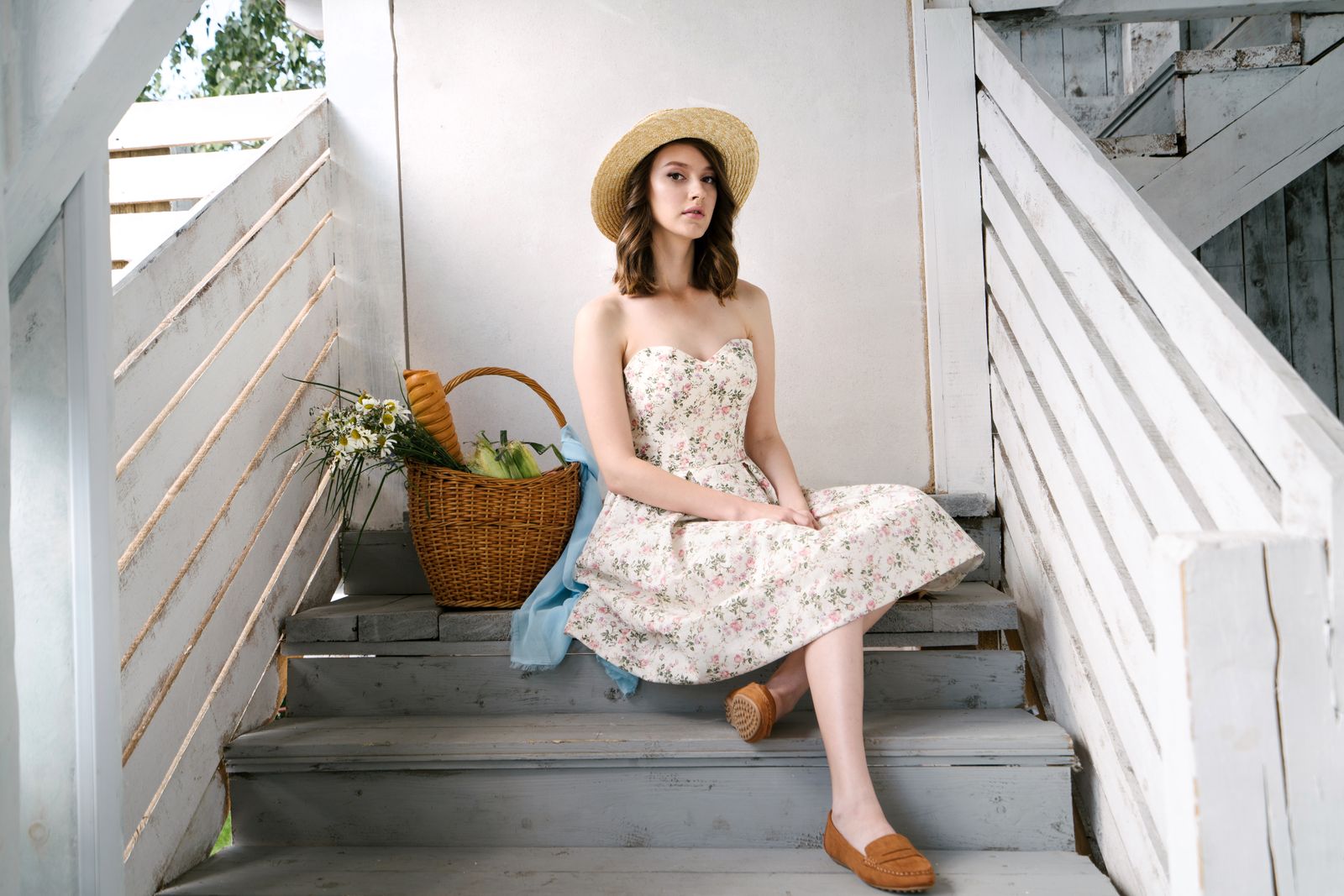
Bustier Sundress vs. Traditional Cottagecore Dress: Which Fits Your Body Best?
The difference between a bustier sundress and a traditional cottagecore dress is where the shape comes from. A bustier sundress builds shape into the garment through fitted panels, a lace-up back and adjustable ties, so the silhouette is defined and adjustable. A traditional cottagecore dress creates shape through volume, gathering and softness, so it drapes rather than defines. Neither is more flattering in the abstract; they suit different proportions, different events, and different levels of interest in adjusting your clothes.
The core structural difference
A traditional cottagecore dress is loose by design. Its typical vocabulary is a gathered or shirred bodice, puffed or flutter sleeves, a full skirt, tiered panels, and often a smock or A-line cut with no fitted waist at all. The shape you see is the shape of the fabric falling.
A bustier sundress works the opposite way. A fitted bustier top is assembled from vertical shaping panels, so the bodice holds a defined form independent of the wearer, and closures like drawstring neckline ties and a lace-up back let you set circumference and cinch to your own measurements.
That single structural difference cascades into everything else: how each behaves when you sit, how they photograph, how much they depend on getting your size right, and how warm they are in July.
Side-by-side comparison
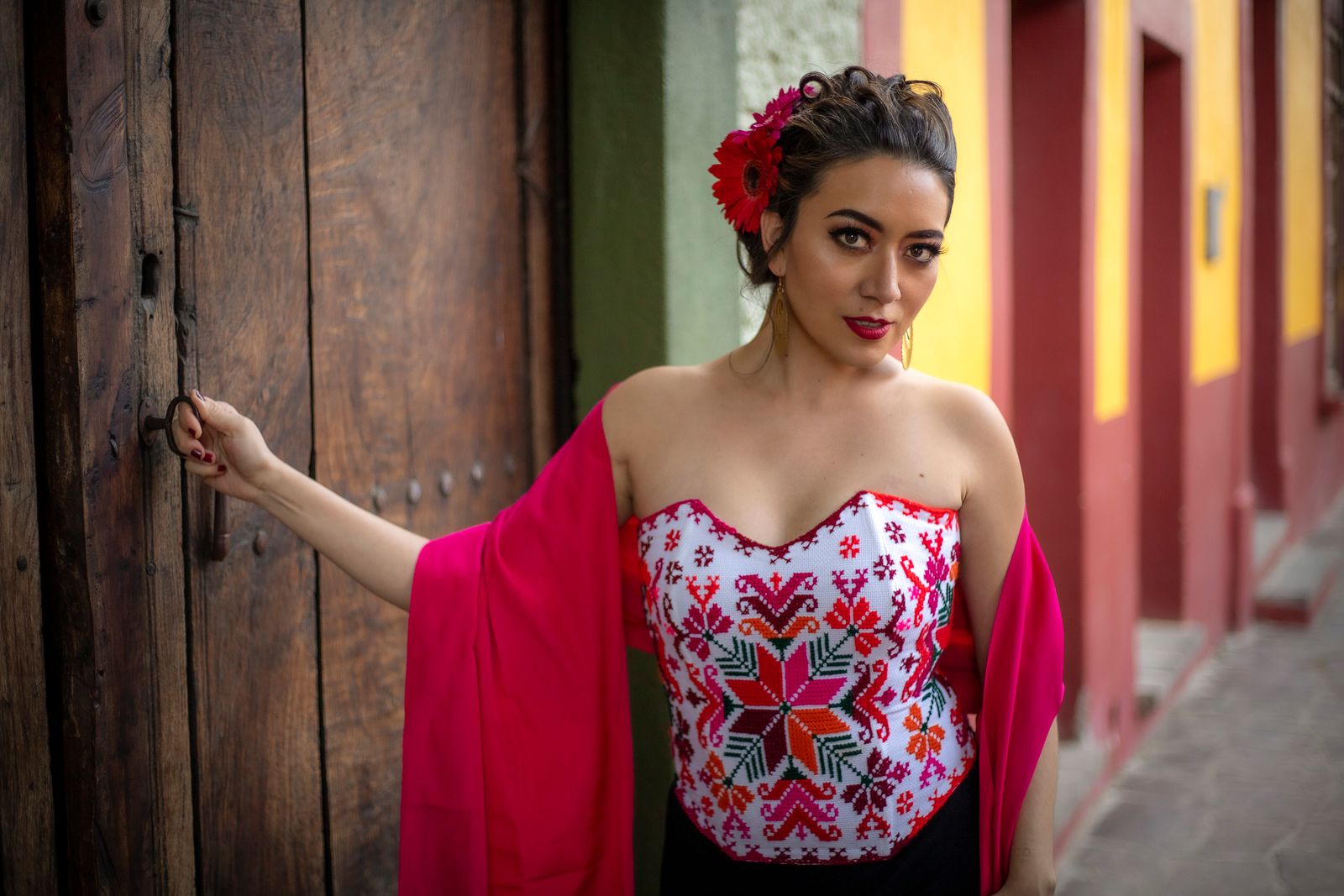
Photo by Alex Domínguez on Pexels
| Consideration | Bustier sundress | Traditional cottagecore dress | |---|---|---| | Source of shape | Panels, seams, lace-up back, neckline ties | Volume, gathering, tiers | | Waist definition | Defined and adjustable | Loose or gently elasticated | | Fit tolerance | Wide, because closures adjust | Wide, because it is loose | | Getting the size right | Less critical; lacing takes up slack | Less critical; skirt hides variance | | Heat comfort | Fitted bodice, airy skirt | Very airy throughout | | Sitting comfort | Good if laced moderately | Excellent | | Bust support from the garment | Yes, from the bustier construction | Minimal | | Reads as | Deliberate, event-ready | Soft, romantic, everyday | | Best for | Garden parties, outdoor weddings, photographed events | Long casual days, heat, layering seasons |
Read that table for trade-offs rather than a winner. Cottagecore's advantage is effortlessness; you put it on and it works. The bustier's advantage is control; it will look precisely how you set it, but you have to set it.
Which suits which proportions
This is where most comparisons overreach, so here is the honest version: both silhouettes work on every body, and the question is what you want the garment to emphasize.
- If you want a visible waistline, a bustier sundress gives you one at the exact circumference you choose. A loose cottagecore dress will not produce one unless you add a belt.
- If you want the waist left alone, a traditional cottagecore dress does that comfortably, and adds no pressure anywhere.
- If your rib cage and waist measurements sit far apart on a size chart, a lace-up back handles that gap directly, because you set the two zones separately. Fixed-size garments do not.
- If you carry your height in your torso, an adjustable-height bodice — set by drawstring neckline ties — lets you place the bustier's top edge where it works for you rather than where the pattern assumed.
- If you want to layer, cottagecore styles take a cardigan or a blouse underneath more easily. A bustier bodice is designed to be seen.
What each one is like to wear for a full day
The bustier sundress. Getting dressed takes an extra minute: step in through the side zipper, tie the neckline, lace from the top down, tie off at the waist. From then on it holds its position, which is the main reason people choose it for standing events. Set the cinch moderately and it stays comfortable through a meal. Set it at maximum and it will not.
The cottagecore dress. Getting dressed takes ten seconds. It stays comfortable indefinitely and handles heat well. The trade-off appears in photographs and in wind, where a loose silhouette can read as shapeless or move unpredictably.
A practical middle path exists and is worth naming: a structured bodice paired with a floral print and a full-ish skirt gives you cottagecore's visual language with a defined waist. That combination is why printed bustier sundresses have become common in the same wardrobes that hold prairie dresses. The cottagecore styling guide for the floral bustier dress shows how to push a structured dress in the softer direction with accessories.
Features to compare when you are shopping
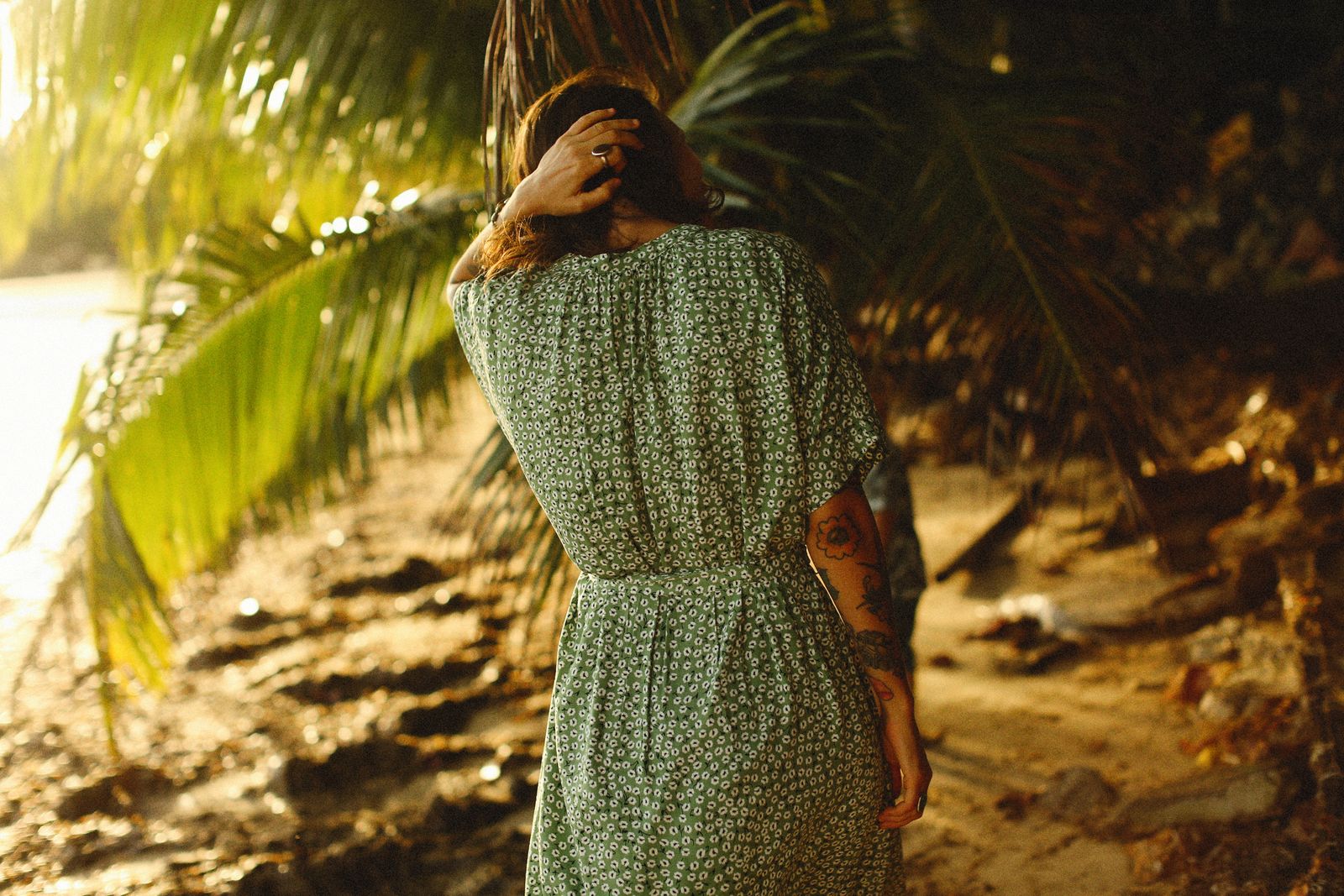
Photo by Alexey Demidov on Pexels
Rather than comparing categories, compare specific features. These are the ones that change how the garment wears.
Comparing at the feature level rather than the category level also protects you from a common mistake: assuming that a dress described with cottagecore styling language is unstructured, or that a structured dress cannot look soft. The photographs tell you about styling. The feature list tells you how the garment will actually behave when you put it on and stand in it for three hours, and that is the part you cannot change after purchase.
Frequently asked questions
Is a bustier sundress uncomfortable compared with a loose dress? Not inherently. Comfort in a laced garment is a setting, not a fixed property. Laced moderately, with a full breath available and a flat hand able to slip under the cord at the waist, a bustier sundress is wearable all afternoon. Laced to its maximum, it is not, and that is a choice rather than a design flaw.
Can one dress cover both looks? Largely, yes. A floral print on a structured bodice sits in both worlds. Woven wedges, a straw bag and loose hair pull it toward cottagecore; a heel, a sleek bag and a defined lip pull it toward evening. The bodice does not change; the styling does.
Which is better for a summer wedding as a guest? Usually the bustier sundress, because guest dress codes reward a deliberate silhouette and the garment holds its shape through a long day of standing and photographs. Check the invitation for stated restrictions, and consider the ground surface when choosing shoes.
Do I need shapewear under either style? No. A cottagecore dress skims rather than clings, so there is nothing to smooth. A bustier sundress with built-in shaping panels is already doing that work through its construction. Adding a thick-banded layer under a laced bodice tends to create a ridge rather than remove one.
A practical next step
Decide which of the two things you value more for your next event: a waistline you set yourself, or a dress you can forget about entirely. That answer picks the category in one step. If it is the former, take your underbust and natural waist measurements before shopping, and look specifically for the number of adjustment points on the garment. The comparison of a bustier waist shaper dress against traditional sundresses covers the same question from the fit-and-utility angle if you want a second perspective.
Cover photo by ArtHouse Studio on Pexels.