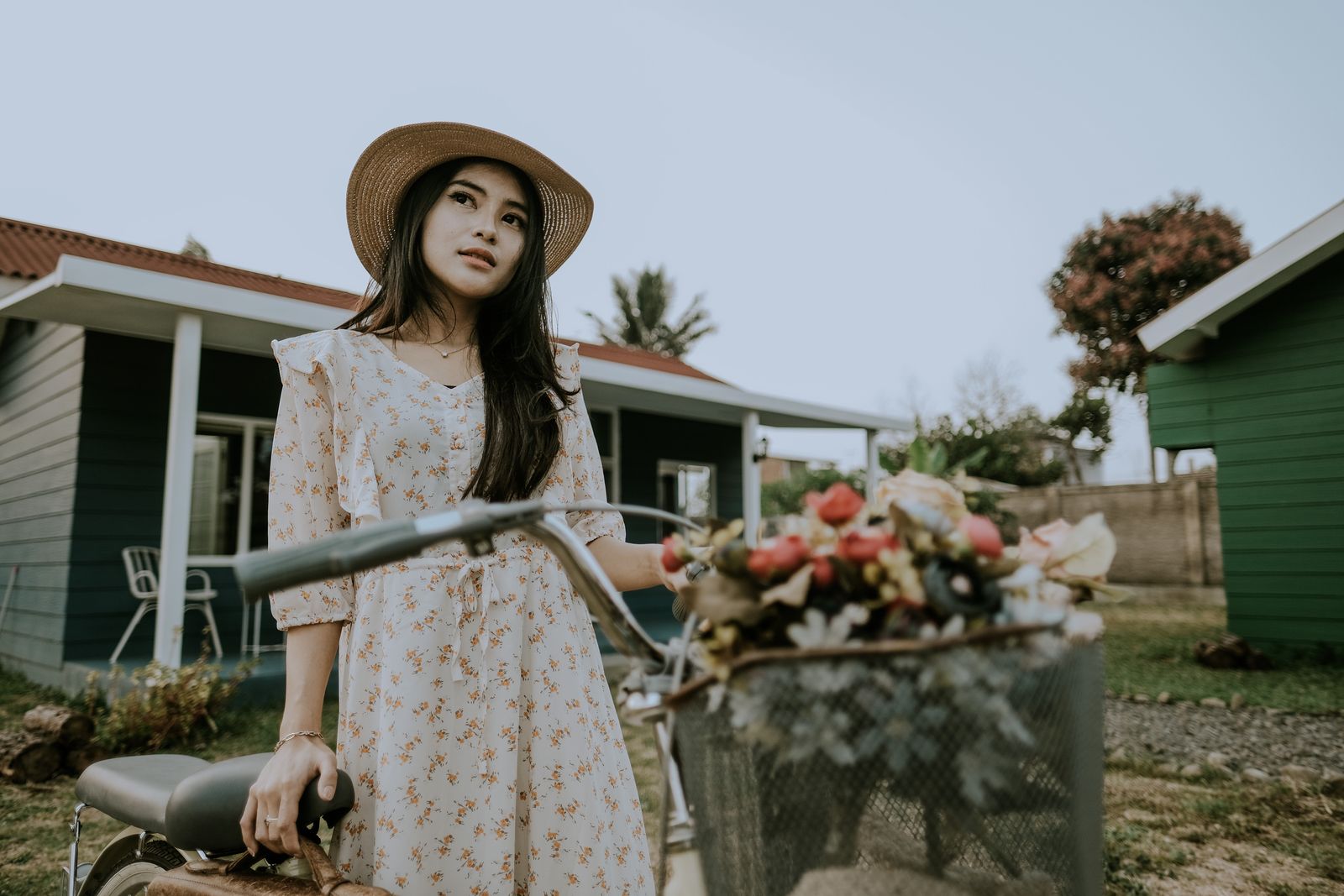
How to Choose the Best Bustier Sundress for Garden Parties: A Summer Styling Guide
The best bustier sundress for a garden party is one that holds its own shape: a fitted bustier top that stays put when you lift your arms, a waist you can adjust on the day rather than hope fits, and a hem that behaves on grass. Fixed-width elastic tube tops and unstructured shift dresses fail at least one of those three tests by the second hour. Adjustability is the deciding feature, which is why closures like a lace-up back, drawstring neckline ties, and a side zipper matter more than any single decorative detail.
What makes a sundress right for a garden party specifically?
Garden parties sit in an awkward gap between casual and formal, and the venue defines most of it. You are usually outdoors, often standing, frequently on uneven lawn, and almost always photographed. That combination rules out three categories of dress that look perfectly good on a hanger.
The first is anything that needs a hard floor. Long, heavy hems drag on grass and pick up damp. The second is anything relying entirely on stretch to stay up, because standing for two hours with a drink in one hand means repeated arm movement, and elastic-only bodices migrate. The third is anything you cannot sit down in comfortably, since garden events almost always involve a stretch of seated conversation at a table you did not choose.
A structured bustier sundress solves the second problem by construction rather than by tension. A fitted bustier top is built with vertical panels and seams that give the bodice a defined shape on its own, so it is not depending on the wearer to hold it in place. That is the practical reason the style keeps reappearing at outdoor summer events.
The seven checks to run before you buy
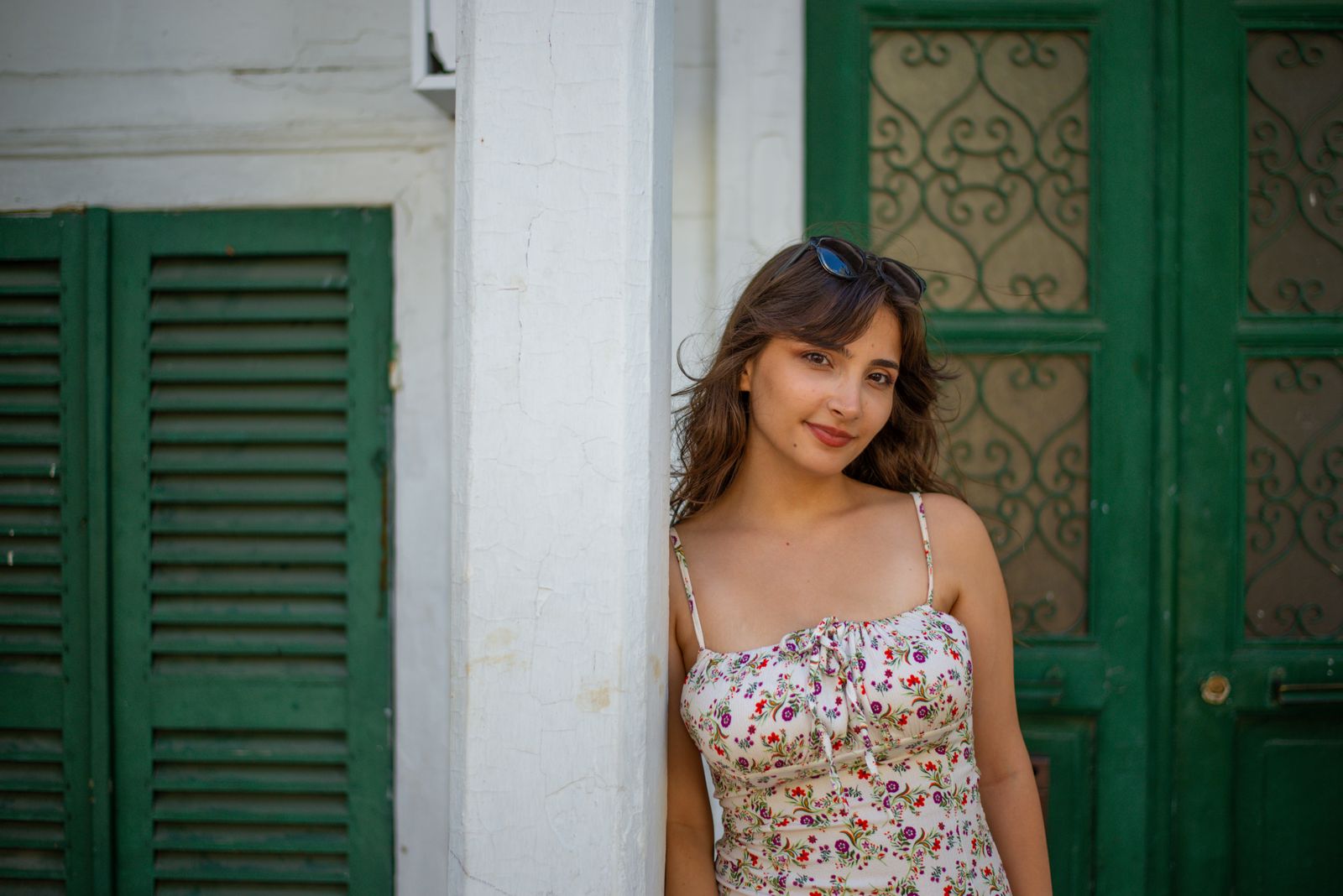
Photo by Arda Kaykısız on Pexels
Work through these in order. Most disappointing sundress purchases fail at step two or step five.
Structured bustier vs. shirred elastic vs. loose A-line
| Feature | Structured bustier sundress | Shirred elastic sundress | Loose A-line sundress | |---|---|---|---| | How the bodice holds shape | Panels, seams and fitted bustier construction | Rows of elastic under tension | It does not; it hangs | | Adjustability | High, with lace-up back, neckline ties and side zipper | Low; stretch sets the fit | None at the waist | | Behavior standing for hours | Stays where it is set | Tends to shift with arm movement | Stable but shapeless | | Defined waist | Yes, and you control how much | Approximate | No | | Ease of getting into | Straightforward with a side zipper | Easy | Easy | | Best suited to | Events with a dress code and photographs | Casual daytime wear | Heat, travel, all-day comfort |
Each column wins somewhere. A loose A-line is the better choice for a long hot day of walking. A shirred sundress is the better choice for a beach afternoon. For a garden party, where the dress needs to look deliberate and keep looking deliberate, structure and adjustability are what you are paying for. The comparison of a bustier waist shaper dress against traditional sundresses goes deeper into how the two constructions behave across a full day.
Why adjustable closures beat a "perfect" size
Most women are not one size top and bottom, and no size chart accounts for rib cage depth, torso length, or where you personally want a waist to land. A dress with three points of adjustment sidesteps that problem instead of trying to solve it with more sizes.
On the Floral Bustier Midriff Waist Shaper Dress, those three points are the drawstring-tie sweetheart neck, the lace-up back, and the side zipper. The neck ties set coverage and how high the bodice sits. The lace-up back sets rib cage and waist circumference. The side zipper lets you get in and out without stretching the bodice out of shape, which is the quiet reason zippers matter on structured garments. If you want the construction explained rather than just described, the design analysis of the dress covers the panel and seam layout.
Choosing a print that works outdoors
Outdoor light is bright, high-contrast, and unforgiving. Three practical guidelines:
- Scale to the setting. Bold, colorful botanical prints read clearly against green backgrounds and in photographs taken at a distance. Very fine prints can visually flatten to a solid mid-tone from across a lawn.
- Mind the background. A garden is already busy and green. Prints with clear color contrast separate from the hedge behind you; muted green-on-green tends to disappear into it.
- Match the print to the structure. A dress with strong lines can carry a busier print, because the construction still gives the eye something to follow.
Details that matter more than they sound
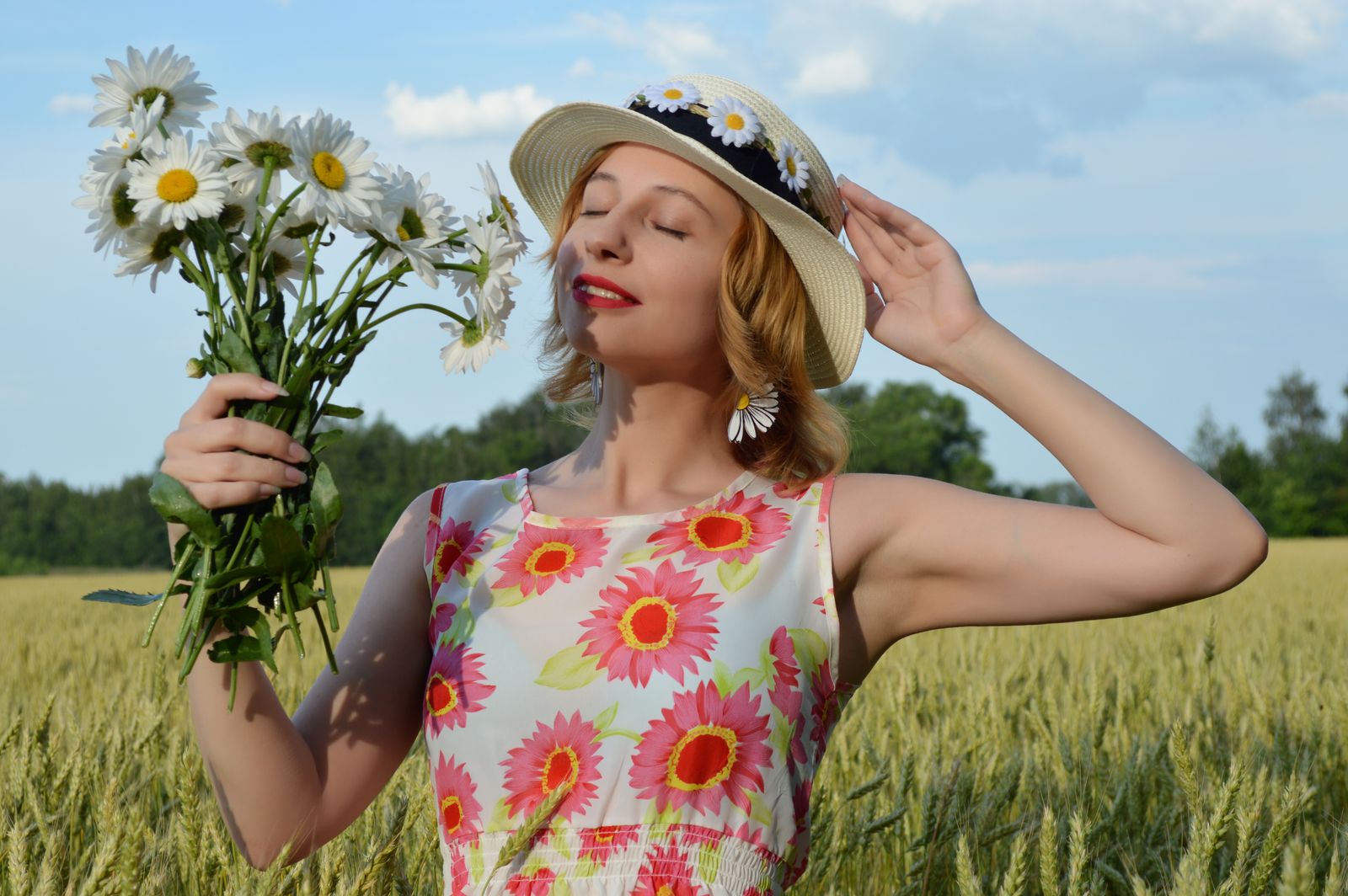
Photo by Vika Glitter on Pexels
A thigh-baring slit is functional as well as decorative. It improves stride length, which matters when walking across a lawn or up garden steps. It also breaks up the skirt visually, so a midi length does not read as a solid column of fabric.
Hidden pockets in the skirt seams let you carry a phone and a lipstick without a bag, and at a standing reception that is a real advantage. The construction test is whether the pockets sit flat when empty; well-placed ones do not disturb the drape.
A side zipper is the detail people notice last and appreciate most, because structured bodices strain at the seams when pulled on over the head.
Sizing: the two measurements to take first
Measure your underbust and your natural waist before you shop, and take both over the undergarment you actually plan to wear. Underbust matters more than full bust on a bustier style, because the bustier's structure sits and anchors below the bust. Natural waist tells you where the cinch will land relative to your own proportions.
If you fall between sizes on a laced garment, the larger size is usually the more flexible choice, since lacing can take up circumference but cannot add any. For notes on how the style sits on a more defined waist-to-hip ratio, see how the dress fits an hourglass shape.
Frequently asked questions
Is a bustier sundress too formal for a daytime garden party? No. A bustier top on a lightweight floral sundress reads as summer daytime rather than evening. Formality comes from the fabric and print, not from the bodice construction. Flat sandals or wedges keep it firmly daytime; a heel and a small clutch move the same dress toward evening.
Can you wear a strapless bustier dress if you want bust support? Yes, and the construction is the point. A fitted bustier top with drawstring ties at the neckline provides its own upward tension, which is what makes strapless styles wearable for several hours. Adhesive cups or a low-back bra converter can be added if you prefer conventional support.
Will a lace-up back gap open across the shoulder blades? It can if the lacing is pulled unevenly. Lace from the top pair of eyelets downward, take up the same amount on each side at every crossing, and tie off at the waist rather than mid-back. Even tension is what keeps the panel edges parallel.
How do I keep the hem clean on a lawn? Choose a length that clears wet grass, check the hem before photographs, and let any dampness dry fully before folding the dress away. Grass moisture carries chlorophyll, which sets into fabric if it dries under pressure inside a bag.
A practical next step
Before your next event, take your underbust and natural waist measurements and write them down somewhere you will find them again. Then decide which of the three adjustment points matters most for your proportions: neckline height, waist circumference, or ease of entry. That single decision narrows the field faster than reading twenty product pages. To see how one structured floral sundress performs across a full afternoon, the detailed review of the dress walks through fit, movement, and wear over time.
Cover photo by Doci on Pexels.