
How to Wash a Structured Bustier Sundress Without Ruining the Waist-Shaping Fit
Hand wash a structured bustier sundress in cold water with a gentle detergent, press the water out between towels, and dry it flat or hanging from the waist. Heat and agitation are the two things that damage waist shaping, because both attack the elastic and the stitching that hold the bodice panels in their intended form. If you must use a machine, use a mesh bag, the gentlest cycle, cold water, and the lowest spin available — and check the garment's own care label first, since it is written for your specific fabric.
What actually goes wrong when a shaped dress is washed badly
Three failure modes account for nearly all of it.
Heat relaxes elastic. Any elastic or stretch component in a shaped bodice loses tension when it is heated. Hot water does it slowly; a tumble dryer does it quickly. Once that tension is gone it does not come back, and the symptom is a bodice that no longer holds its position and needs constant adjustment.
Agitation deforms panels. A bustier bodice is a set of shaped panels joined by seams. Tumbling in a drum applies uneven force across those seams. Repeated cycles leave the panels slightly twisted relative to each other, which shows up as a bodice that no longer sits square.
Friction fades print. Color loss on a printed sundress is almost always mechanical wear at high-contact points — seams, hem, the waist, and anywhere the fabric rubs against a zipper or another garment. It looks like fading, but it is abrasion.
Every instruction below exists to avoid one of those three.
The hand-wash procedure, step by step
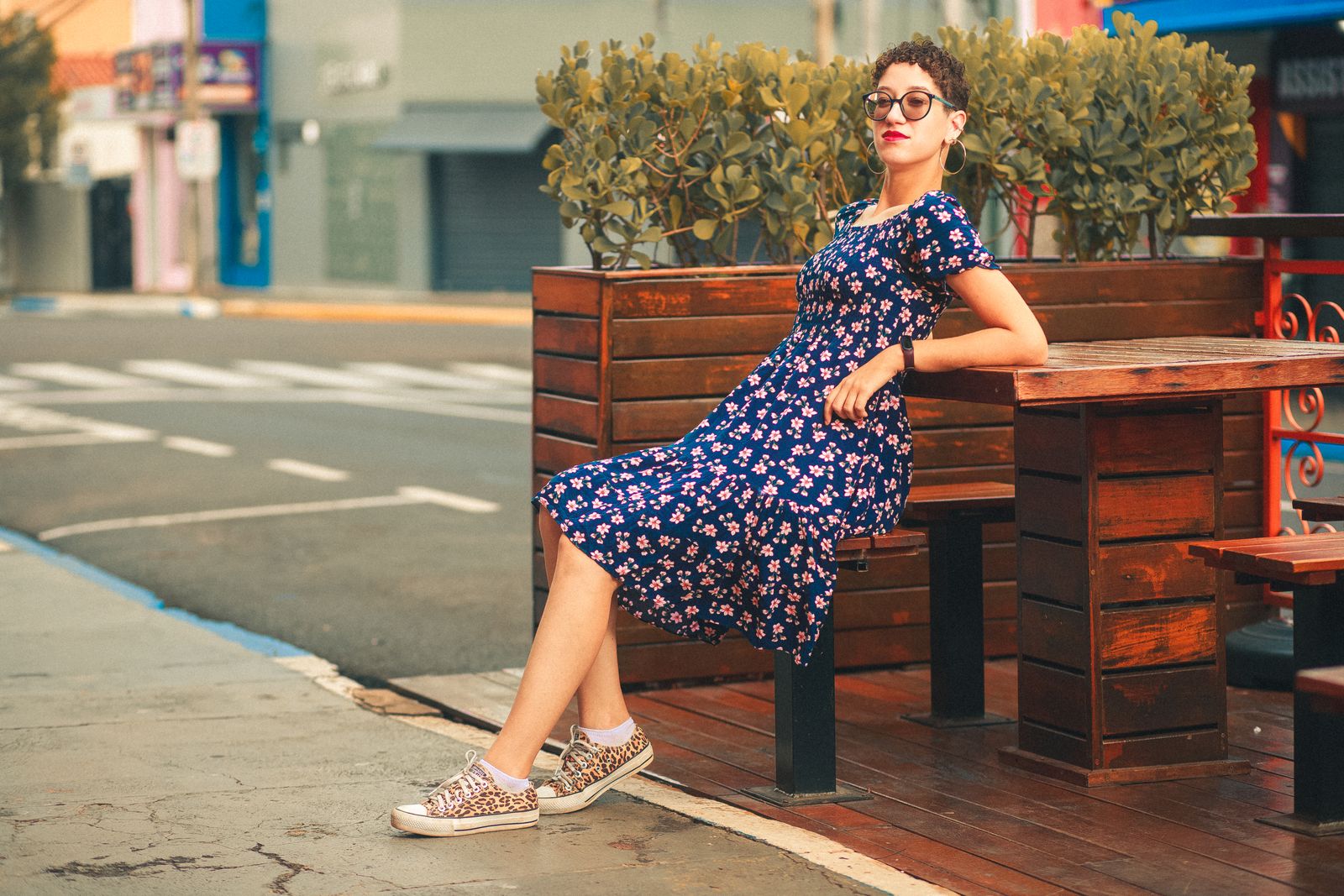
Photo by Breno Cardoso on Pexels
The whole routine takes about twenty-five minutes of elapsed time and maybe five minutes of attention.
Machine washing, if you are going to do it anyway
Plenty of people will machine wash regardless, so here is the least damaging way to do it.
| Setting | Use | Why | |---|---|---| | Water temperature | Cold | Protects elastic and printed color | | Cycle | Delicate or hand-wash | Reduces agitation time and drum speed | | Spin speed | Lowest available, or none | High spin forces water through fabric under pressure and creases panels hard | | Detergent | Small amount, gentle formula | Residue dulls print; bleach and brighteners strip color | | Load | The dress alone, in a mesh bag | Prevents the lacing wrapping around other items | | Fabric softener | None | Coats fibers and reduces print contrast over time | | Dryer | None | Combines heat and tumbling, the two worst inputs |
The mesh bag is the highest-value item on that list. A lace-up back has long cords, and long cords in a drum wrap around agitators, other garments, and themselves.
Spot treatment and common summer stains
Most of the time a sundress does not need a full wash. It needs one mark dealt with.
- Grass. Blot, do not rub. Dab with cold water and a drop of gentle detergent, working from the outside of the mark toward the center so you do not spread the edge. Rinse and air dry. Never let a grass mark dry under pressure in a bag, because chlorophyll sets.
- Sunscreen. Rinse from the reverse side with cold water first to push the oil back out rather than through. Then treat with a small amount of detergent, and rinse fully.
- Wine. Blot immediately with a dry cloth, then flush with cold water from the back of the fabric. Skip salt and skip hot water, both of which set the color.
- Deodorant marks. Let them dry, then rub the area gently with a piece of the same fabric or a clean nylon stocking to lift the residue mechanically before any liquid touches it.
- General freshening. Airing the dress on a hanger overnight in a ventilated room removes most odor. Fewer wash cycles is the single best thing you can do for a structured garment's lifespan.
Drying without losing the shape

Photo by Vika Glitter on Pexels
Drying is where more shape damage happens than washing.
Flat drying is the safest option. Lay the dress on a dry towel on a flat surface, arrange the bodice panels so they lie square, straighten the neckline ties, and leave the lacing slack. Flip the towel once it is damp.
Hanging from the waist using a clip hanger is the next best option, and it dries faster. Clip at the waist so the weight of the wet skirt pulls downward on the skirt only. Do not hang a wet structured dress from the neckline ties, because thin cords under the weight of a soaked garment stretch permanently and drag the bodice out of shape.
Never use direct sun, a radiator, a hair dryer, or a dryer drum. Direct sun in particular fades printed color unevenly, and the panel that faced the window will show it.
Leave the dress until it is completely dry before folding or storing it, and leave the lacing slack until then. Structured garments that are put away slightly damp develop set creases exactly where the panels overlap. The design review of the dress covers how the panel layout is constructed, which makes it clearer why panel alignment during drying matters.
Wrinkle removal after washing
Steam rather than press. A handheld steamer held a few inches away relaxes creases without putting weight or direct heat on the shaping panels. Work the skirt first, then the bodice from the inside, and let the dress hang until it is cool and dry before wearing.
If you use an iron, use the lowest setting the label permits, put a clean cotton cloth between the iron and the printed face, and keep the iron off the bodice panels, the eyelet area, and the zipper tape. A shower-steam session in a closed bathroom handles ordinary travel creasing without any equipment at all.
Frequently asked questions
How often does a bustier sundress need washing? Every two to three wearings for normal daytime use, or immediately if there is a visible mark or heavy perspiration. Airing between wearings handles most of what a wash would, and each cycle avoided extends the life of the elastic and stitching that create the shaping.
Can it be dry cleaned instead? Only if the care label permits it. Dry cleaning is gentler on structure than machine washing, but solvents can affect printed color and adhesives. If you go that route, point out the lacing and the zipper to the cleaner and ask them not to press the bodice.
Will washing loosen the waist shaping permanently? Not if you wash cold and dry without heat. The shaping comes from panel construction and stitching, which cold water does not affect. What does cause permanent loss is repeated hot washing and tumble drying. The review of how the dress performs over time is a useful reference point on wear.
Should the cord be washed separately? No, leave it in place but fully slack. Removing cord from a laced panel means re-threading it, and re-threading is easy to get wrong in a way that changes how tension distributes. For other handling questions, the bustier waist shaper dress FAQ collects the short answers.
A practical next step
Put a mesh laundry bag and a clip hanger in your laundry area now, before the next wash. Those two items convert the correct routine from something you have to remember into something that is simply easier than the wrong routine, and they are the difference between a dress that holds its fit for years and one that loosens in a season.
Cover photo by Pixabay on Pexels.